A commercial inspection report is a comprehensive written document that evaluates the physical condition of a commercial property, covering everything from structural components to mechanical systems.
Whether you’re buying, leasing, or refinancing, understanding what’s in this report is essential for making informed real estate decisions.
A professional commercial inspection report is organized to be immediately actionable for buyers, investors, and lenders.
It provides an inventory of the building’s major systems and components, evaluates their physical and functional condition, and highlights deficiencies, deferred maintenance, and safety concerns.
Reports typically features an executive summary of major findings, a detailed system-by-system narrative assessment with photo and video documentation, prioritized repair recommendations with cost estimates, and remaining useful life projections for major systems — usually presented as a 1–5 year capital expenditure forecast.
Code compliance analysis for applicable California and local building regulations is included as well.
Reports typically comply with standards set by ASTM E2018 and often run 30+ pages, complete with photos, videos, and cost projections.
Commercial inspections reports are also known as a Property Condition Assessment (PCA) or Commercial Building Inspection Report (CBIR), a commercial inspection report is the final deliverable produced after a certified inspector conducts a thorough walk-through of a property.
What the Final Report Contains
A professional commercial inspection report is organized to be actionable for buyers, investors, and lenders. Key elements include:
- Executive summary of major findings
- Detailed system-by-system assessment with narrative descriptions
- Photo and video documentation of deficiencies
- Prioritized repair recommendations with cost estimates
- Remaining useful life projections for major systems (typically a 1–5 year capital expenditure forecast)
- Code compliance analysis for applicable building regulations
What Is Typically Not Included
- Standard commercial inspections generally do not cover full ADA compliance audits, detailed fire safety equipment compliance reviews, or environmental evaluations for asbestos, lead, or mold, as those require separate specialized testing.
- Structural engineering evaluations and Phase I Environmental Hazard Reports are also outside the scope of a standard inspection but can be added as optional services depending on your due diligence needs.
A commercial inspection report is one of the most powerful tools in commercial real estate due diligence — it reveals not just the current condition of a property, but the costs and timeline of what lies ahead.
Working with a certified commercial inspector who delivers a thorough, photo-rich, narrative-style report ensures you have everything you need to negotiate, plan, and invest with confidence.
Contact US Commercial Building Inspections of Southern California today to schedule your commercial inspection at 619-473-2133.
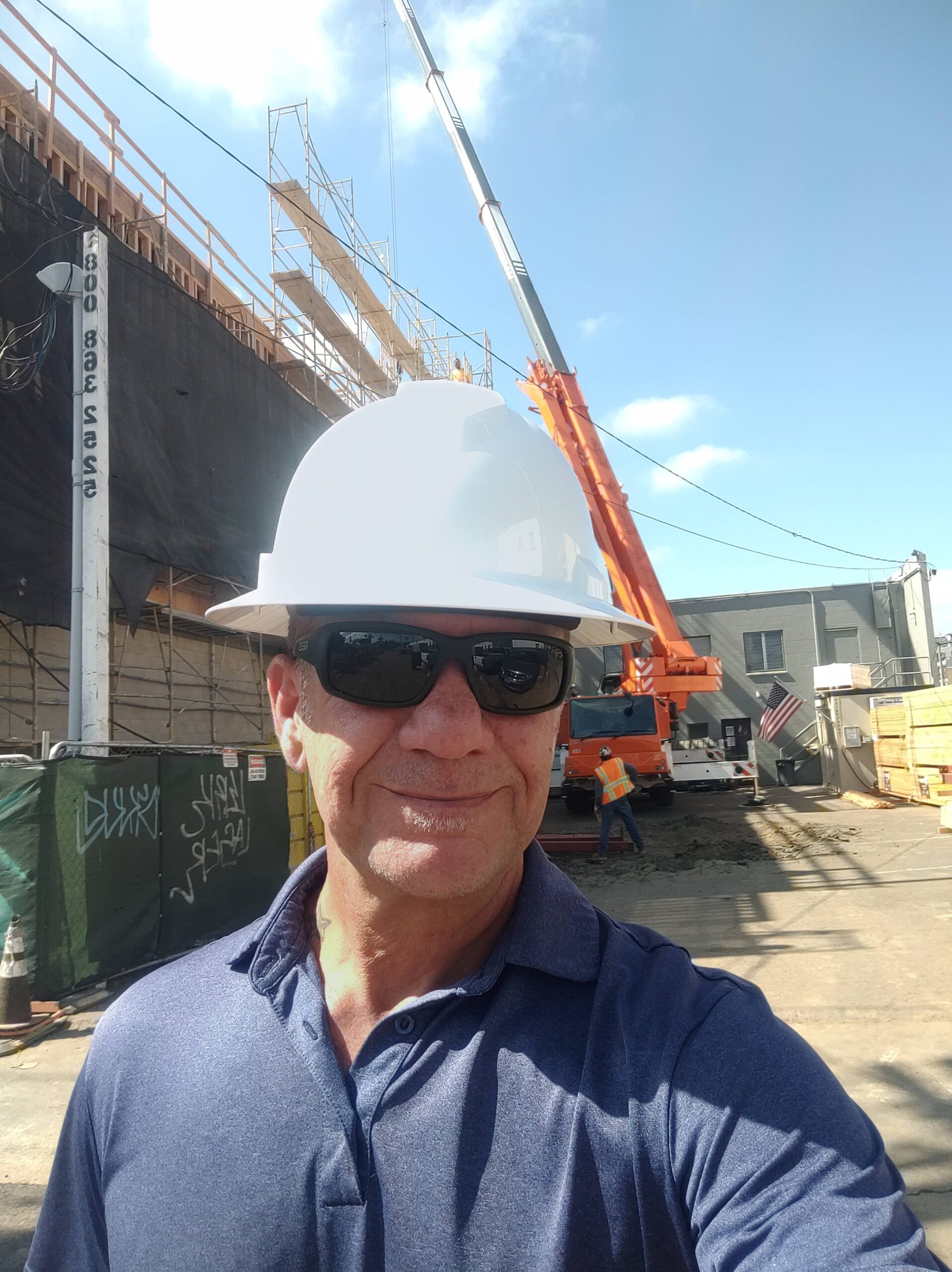
Maurice is the Chief Inspector for U.S. Commercial Building Inspections of Southern California. He is a Certified Commercial Property Inspector (CCPI) with over 25 years of extensive experience in real estate, construction, restoration, remediation, and business development.
He holds numerous inspection certifications with the Commercial Property Inspectors Association (CCPIA), the International Association of Home Inspectors (InterNACHI), and he is also a Certified Mold Inspector (CMI), Certified Mold Remediator (CMR), and a member of the Indoor Air Quality Association (IAQA).
