When buying or developing commercial property in Southern California, lenders and government agencies often require environmental site assessments as part of the inspection process.
Environmental Site Assessments (ESAs) are a standardized, three-phase process used to identify existing or potential environmental contamination on a property.
Understanding the cost for assessments upfront allows buyers, developers, and lenders to budget appropriately and avoid costly surprises during escrow or project development.
Phase I is a relatively small, routine cost. Phase II gets pricier depending on what’s found and Phase III, if remediation is needed, is where costs can become very significant — making early due diligence absolutely essential before closing on a commercial property.
Here’s a more comprehensive breakdown of what each phase involves, what it costs, and how long it takes in the Southern California market.
PHASE I ENVIRONMENTAL ASSESSMENT (ESA)
A Phase I ESA is a non-invasive assessment that involves a review of historical records, a physical site inspection, and interviews with current and former owners, occupants, and local government officials.
Phase I costs typically fall in the $2,500–$5,000 range.
PHASE II ENVIRONMENTAL ASSESSMENT (ESA)
A Phase II ESA is triggered when the Phase I report identifies one or more RECs warranting further investigation.
This phase involves actual physical work — drilling, soil and groundwater sampling, and laboratory analysis to determine if contaminants are present at levels that pose a risk to human health or the environment.
Phase II costs vary dramatically based on the number of factors but typical ranges are $7,500 – $25,000.
PHASE III ENVIRONMENTAL ASSESSMENT (ESA)
Phase III is not a traditional “inspection” — it is the remediation phase, where a formal cleanup plan is developed and executed to address contamination confirmed in Phase II.
In California, this may involve soil excavation, groundwater treatment systems, vapor intrusion mitigation, or in-situ chemical treatments, all under oversight from state agencies like the California Department of Toxic Substances Control (DTSC) or the Regional Water Quality Control Board.
Phase III costs are the most variable of all three phases and can range from $5,000 – $500,000.
Quick-Reference: All Three Phases
Now, that you have a basic understanding of the average costs for Environmental Phase I, II & III Assessments in Southern California, let’s get into some more details that can affect pricing.
Here’s a comprehensive breakdown of what each phase involves, what it costs, and how long it takes in the Southern California market.
Phase I ESA: The Desktop Review
A Phase I ESA is a non-invasive assessment that involves a review of historical records, a physical site inspection, and interviews with current and former owners, occupants, and local government officials.
No soil samples or drilling occur at this stage — the goal is simply to identify any Recognized Environmental Conditions (RECs) that might suggest contamination.
Costs in Southern California
For most standard commercial properties in California, Phase I costs fall in the $2,500–$5,000 range. Nationally, costs range from $1,500 to $6,000+, with pricing driven by property size, complexity, and turnaround time.
Timeline
Most Phase I ESAs in California take 2 to 3 weeks from authorization to final report delivery. More complex properties with extensive record availability issues can push this to 4 weeks.
Phase II ESA: Physical Sampling & Lab Analysis
A Phase II ESA is triggered when the Phase I report identifies one or more RECs warranting further investigation.
This phase involves actual physical work — drilling, soil and groundwater sampling, and laboratory analysis to determine if contaminants are present at levels that pose a risk to human health or the environment. California requires strict compliance with the ASTM E1903 standard during this phase.
Costs in Southern California
Phase II costs vary dramatically based on the number of sample locations, depth of drilling, and contaminant types suspected. Typical ranges are:
The work plan alone — which identifies property conditions, potential contaminants, and sampling methodology — can cost several thousand dollars before field work even begins.
Timeline
A Phase II ESA typically takes approximately 4 weeks from start to final report. The general schedule breaks down as follows:
-
Week 1 – Permitting, utility marking, and mobilization
-
Week 2 – Field sampling (soil borings, groundwater wells)
-
Weeks 3–4 – Laboratory analysis (7–10 business days) and final report preparation
This timeline can extend if the site is particularly complex, if weather interferes, or if laboratory schedules are backed up.
Phase III: Remediation & Cleanup
Phase III is not a traditional “inspection” — it is the remediation phase, where a formal cleanup plan is developed and executed to address contamination confirmed in Phase II.
In California, this may involve soil excavation, groundwater treatment systems, vapor intrusion mitigation, or in-situ chemical treatments, all under oversight from state agencies like the California Department of Toxic Substances Control (DTSC) or the Regional Water Quality Control Board.
Costs in Southern California
Phase III costs are the most variable of all three phases and can range enormously based on the type and extent of contamination.
For perspective, a Remedial Investigation/Feasibility Study (RI/FS) alone — which precedes active cleanup — can cost $100,000–$500,000 on complex sites. Active remediation such as in-situ chemical oxidation can range from $800,000 to $3,000,000 on seriously contaminated properties.
Timeline
Phase III is by far the longest phase and depends heavily on the cleanup method used and regulatory approval requirements.
Groundwater remediation in California typically takes 12 to 24 months just for active treatment, followed by additional post-cleanup monitoring periods. Complex sites involving multiple contaminants, deep aquifers, or large plumes can take 5 to 10+ years from cleanup initiation to regulatory closure.
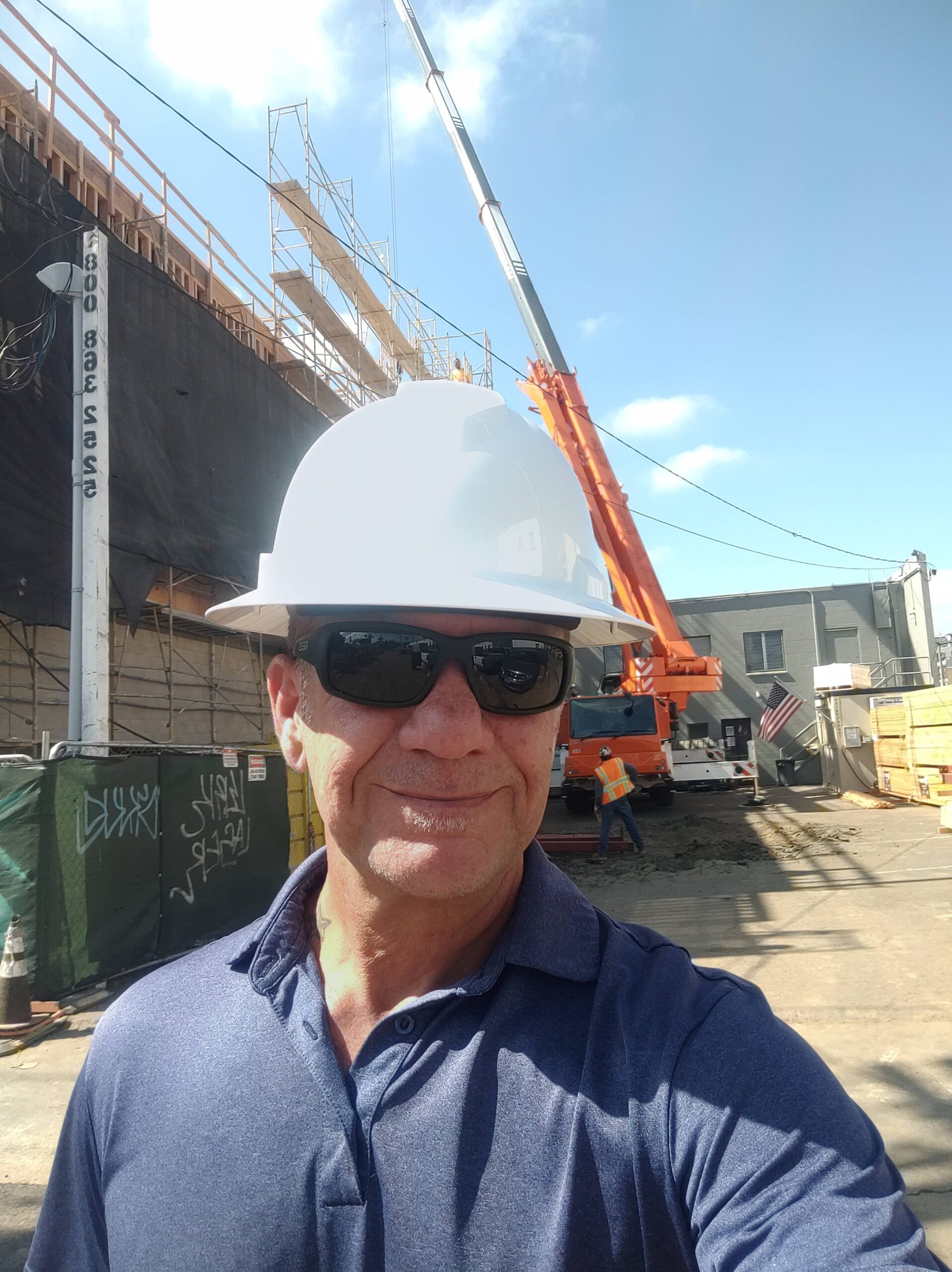
Maurice is the Chief Inspector for U.S. Commercial Building Inspections of Southern California. He is a Certified Commercial Property Inspector (CCPI) with over 25 years of extensive experience in real estate, construction, restoration, remediation, and business development.
He holds numerous inspection certifications with the Commercial Property Inspectors Association (CCPIA), the International Association of Home Inspectors (InterNACHI), and he is also a Certified Mold Inspector (CMI), Certified Mold Remediator (CMR), and a member of the Indoor Air Quality Association (IAQA).
