Signing a commercial lease in San Diego, California can be one of the biggest financial commitments a business will make.
Yet many tenants walk into lease negotiations without a clear picture of what they’re actually getting — and that lack of information can cost tens of thousands of dollars down the road.
A professional commercial building inspection changes that equation entirely.
Once you have findings in hand, you have leverage. Here’s how to use it.
Why the Inspection Report Is Your Negotiating Blueprint
A thorough commercial inspection covers everything from the roof and HVAC systems to electrical panels, plumbing, structural elements, and ADA compliance.
Each deficiency identified in that report represents either a cost you’ll inherit or a concession you can negotiate before your signature dries on the lease.
In Southern California’s competitive commercial real estate market — from San Diego’s Gaslamp Quarter to the Inland Empire’s industrial corridors — landlords are motivated to fill vacancies.
That motivation gives tenants real negotiating power, but only if they know what problems exist and what fixing them costs.
Key Items to Negotiate After an Inspection
Tenant Improvement Allowance (TIA)
If the inspection uncovers deferred maintenance, outdated finishes, or non-functional systems, use those findings to push for a higher Tenant Improvement Allowance.
Document the estimated repair costs and present them alongside your inspector’s report.
Landlords are often more willing to increase the TIA than to reduce the base rent, since improvements add long-term value to their asset.
Rent Abatement or Reduced Rent Period
Significant deficiencies — say, an HVAC system nearing end of life or roof repairs that will disrupt operations — justify requesting free rent months upfront.
This effectively offsets the cost of repairs you’ll need to fund yourself, or compensates for lost business during the remediation period.
Repair and Remediation Credits
For clearly defined, documented issues like a failing electrical panel or cracked structural concrete, you can request a direct cash credit at lease signing.
Present contractor bids alongside the inspection report to anchor the negotiation to real numbers rather than estimates.
Modified Maintenance and Repair Responsibilities
Standard commercial leases, especially triple-net (NNN) leases, push significant repair responsibilities onto the tenant.
If your inspection reveals aging mechanical systems, negotiate caps on your repair obligations or have the landlord replace those systems before occupancy.
For example, if the rooftop HVAC units are 15 years old in a market like San Diego where year-round cooling is essential, getting the landlord to replace or warrant those units is a reasonable ask.
Landlord Warranty and Delivery Conditions
Your inspection findings can be written directly into the lease as a “delivery conditions” clause — a list of items the landlord must repair or replace before your move-in date.
This protects you legally and ensures there’s no ambiguity about who is responsible for pre-existing conditions.
Early Termination Rights
If the inspection reveals issues that could worsen over time (such as foundation concerns, drainage problems, or aging infrastructure common in older Southern California commercial buildings), negotiate an early termination clause tied to those specific conditions.
If a major system fails within a defined period, you want the right to exit without penalty.
ADA Compliance: A Southern California Priority
California has some of the strictest ADA enforcement in the country, and commercial tenants can be held liable for access violations — even in spaces they lease.
If your inspector identifies ADA non-compliance issues such as parking, door widths, restroom configurations, or ramp grades, negotiate clearly who bears responsibility for those upgrades.
Getting this in writing before signing protects your business from costly litigation down the line.
How to Present Your Findings Effectively
The negotiation is only as strong as your documentation.
A professional inspection report with photos, system condition ratings, and estimated remaining useful life gives you credibility at the negotiating table.
Pair that report with contractor bids and a prioritized list of concerns — categorized by safety issues, functional deficiencies, and cosmetic items — and you’ll walk into negotiations looking prepared, not desperate.
Don’t Skip the Inspection to Speed Up the Process
In hot commercial markets like San Diego, Orange County, and Los Angeles, there’s pressure to move fast.
But skipping or rushing an inspection to close a deal quickly is one of the most expensive mistakes a tenant can make.
A qualified commercial inspector can typically complete a thorough assessment within a few days, and the findings can save you far more than the inspection fee — often in the tens of thousands of dollars.
US Commercial Building Inspections serves businesses throughout Southern California, including San Diego, Los Angeles, Orange County, the Inland Empire, and the Coachella Valley. Our certified commercial inspectors deliver detailed, actionable reports that give tenants and buyers the clarity they need to negotiate with confidence.
Ready to inspect your next commercial space? Contact us today to schedule your assessment.
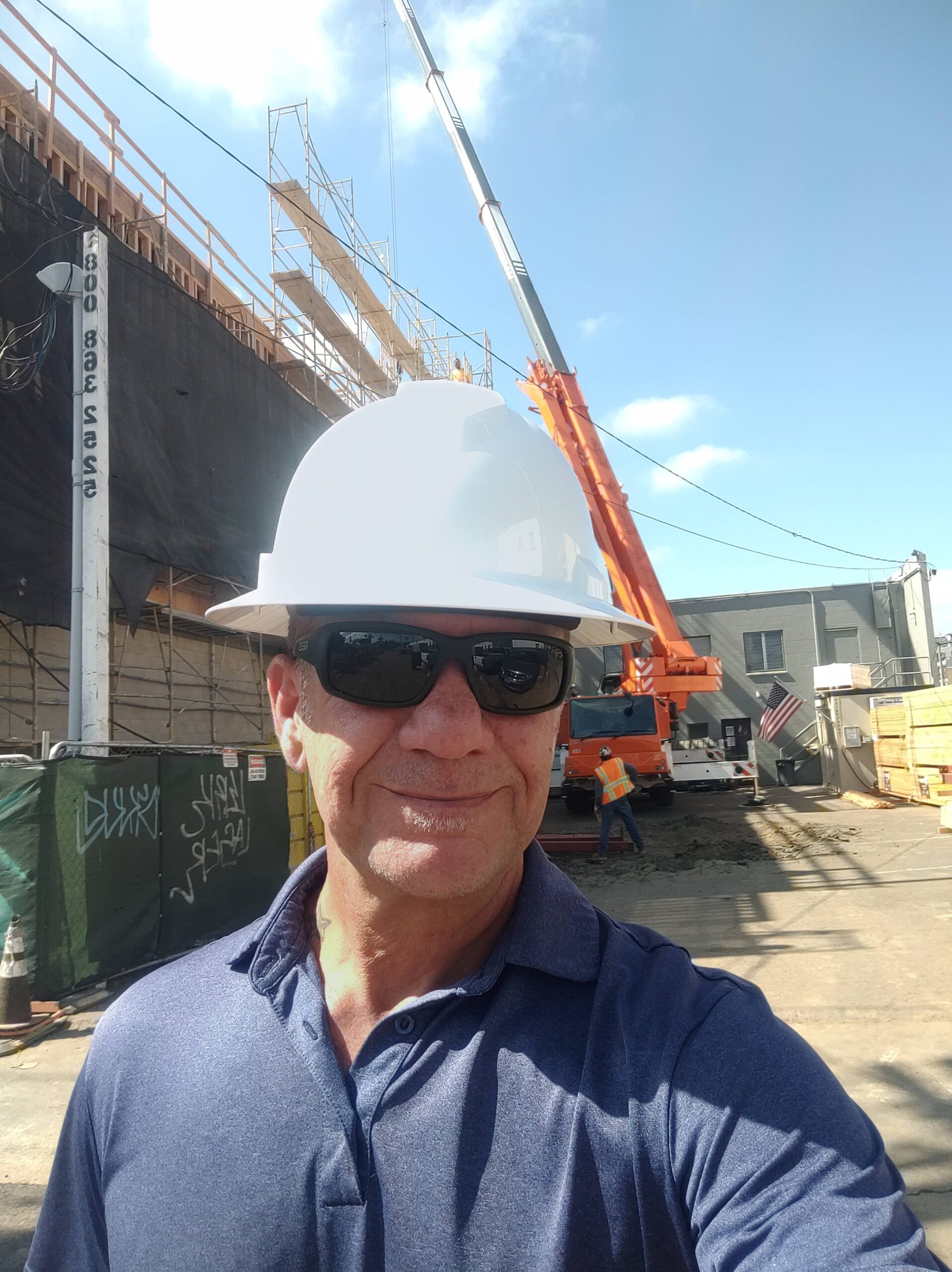
Maurice is the Chief Inspector for U.S. Commercial Building Inspections of Southern California. He is a Certified Commercial Property Inspector (CCPI) with over 25 years of extensive experience in real estate, construction, restoration, remediation, and business development.
He holds numerous inspection certifications with the Commercial Property Inspectors Association (CCPIA), the International Association of Home Inspectors (InterNACHI), and he is also a Certified Mold Inspector (CMI), Certified Mold Remediator (CMR), and a member of the Indoor Air Quality Association (IAQA).
