Your commercial roof is one of the most expensive and vulnerable components of your building. In San Diego’s diverse climate — from coastal humidity in Mission Beach to extreme heat in El Cajon and wind-driven rain in the inland valleys — commercial roofs face year-round stress.
Hiring the right inspector before problems spiral into catastrophic losses can save you tens of thousands of dollars.
Here’s exactly how to do it.
When your commercial roof needs evaluation, the first call you make should always be to an independent inspection company, not a roofing contractor.
The reason is simple.
Roofing contractors are paid to fix or replace roofs.
Independent inspectors are paid to give you unbiased facts so you can make the right decision.
When a roofing contractor inspects your roof, they have a direct financial incentive to find problems that require repair or full replacement.
Their business model depends on it.
An independent commercial property inspector, on the other hand, has no stake in whether your roof needs $500 worth of caulking or a $500,000 replacement.
Their only job is to give you the truth.
Whether you are buying a building, filing an insurance claim, renewing a lease, or planning maintenance, the roof is one of the most critical — and costly — components of your building.
Don’t leave this up to chance or the wrong company!
Independent Roof Inspector vs. Roofing Contractor
This is the most important decision you’ll make in the entire process — and most building owners get it wrong.
A roofing contractor has a direct financial incentive to find problems.
Their revenue comes from selling you repairs, coatings, or full replacement. When they “inspect” your roof for free or at a low cost, that inspection is essentially a sales call. Their report is not neutral — it’s a proposal in disguise.
An independent commercial property inspector earns their fee from you, and only you.
They don’t sell materials. They don’t do repairs. Their entire professional reputation is built on the accuracy and honesty of their findings — not on upselling services.
Here’s why the distinction is critical:
No conflict of interest — An independent inspector will tell you exactly what is wrong, what is fine, and what to monitor — without steering you toward unnecessary work
Legally defensible documentation — Independent inspection reports carry weight in real estate transactions, insurance claims, litigation, and loan due diligence; a contractor’s self-serving report does not
Certified credentials — True independent commercial inspectors hold certifications from organizations like the CCPIA (Certified Commercial Property Inspectors Association) and InterNACHI, verifiable through national databases
Comprehensive scope — An independent inspector evaluates your roof in the context of the full building system, including drainage, HVAC penetrations, attic ventilation, and structural components below the roof deck
Advanced technology — Leading independent firms use infrared thermal imaging and drone inspections to detect hidden moisture and leaks invisible to the naked eye — before they cause serious structural damage
A failing roof can cause water damage, mold, structural deterioration, and interrupted business operations.
Choosing the right inspection company to assess it is not just important — it’s essential.
If you need an independent commercial roofing inspector, please contact U.S. Commercial Building Inspections (USCBI) of San Diego, CA at 619-473-2133 or visit usbuildinginspections.com.
U.S. Commercial Building Inspections is a fully independent inspection firm — not a roofing contractor — USCBI delivers unbiased, comprehensive assessments you can trust completely.
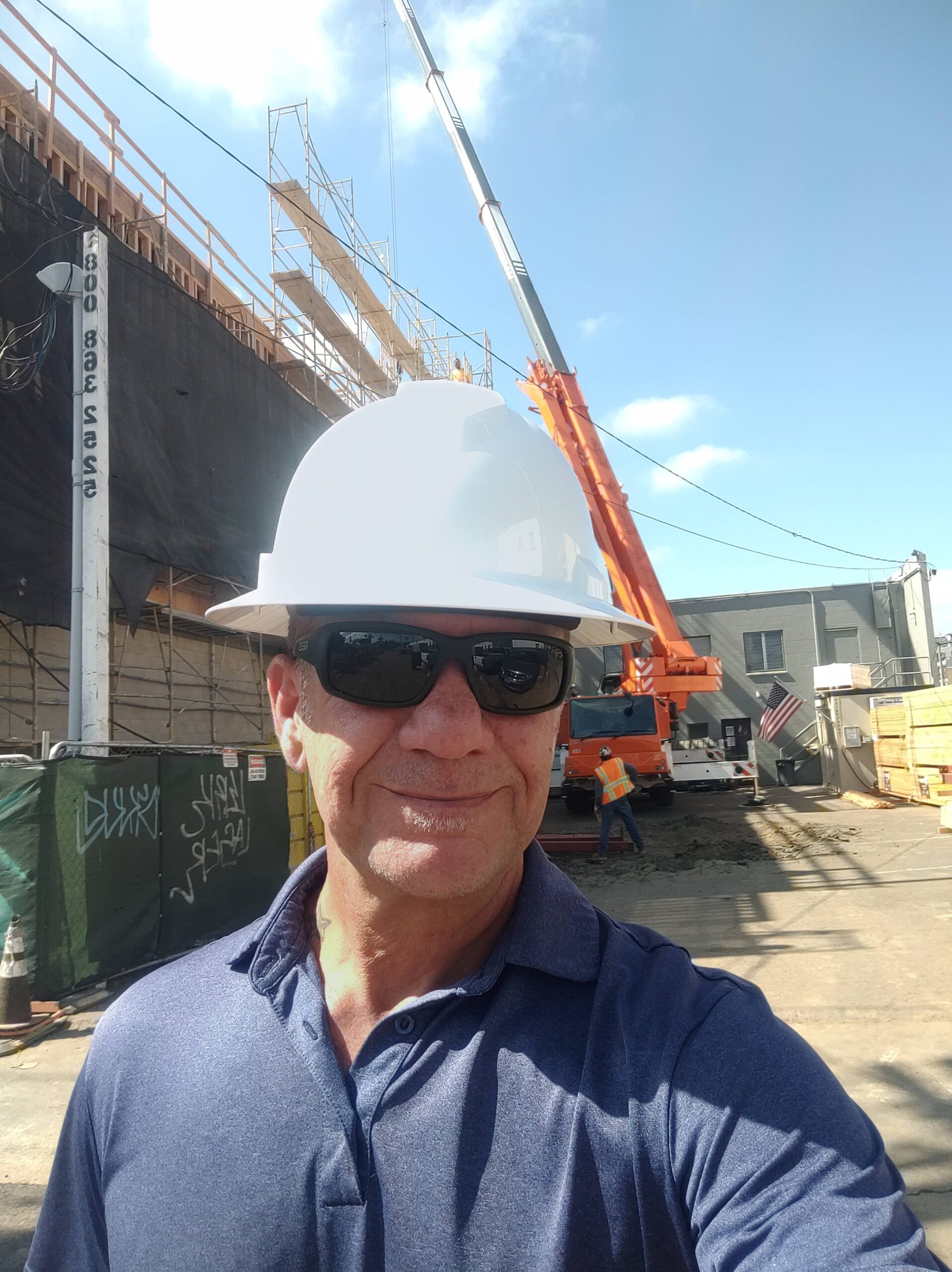
Maurice is the Chief Inspector for U.S. Commercial Building Inspections of Southern California. He is a Certified Commercial Property Inspector (CCPI) with over 25 years of extensive experience in real estate, construction, restoration, remediation, and business development.
He holds numerous inspection certifications with the Commercial Property Inspectors Association (CCPIA), the International Association of Home Inspectors (InterNACHI), and he is also a Certified Mold Inspector (CMI), Certified Mold Remediator (CMR), and a member of the Indoor Air Quality Association (IAQA).
