Apartment complex inspections are a critical component of commercial real estate due diligence across San Diego and Southern California — protecting buyers, lenders, and property managers from costly surprises and liability.
California’s multifamily market is one of the most regulated in the country, and the stakes of skipping a proper inspection are high. San Diego has particularly stringent building codes and municipal regulations, and any aspect of an apartment complex that falls out of compliance can result in significant legal and financial consequences.
Unlike residential inspections, apartment complex inspections are far more complex and require a deep understanding of commercial real estate construction, operating procedures, local zoning, area rental rates, deferred maintenance costs, and both state and federal laws.
The gold standard for apartment complex inspections is the Property Condition Assessment (PCA) — a comprehensive evaluation of the property’s entire physical condition. A PCA report provides a detailed analysis of the current state of the real estate asset, covering everything from the roof to the foundation.
Certified inspectors examine all exterior areas, common interior areas, and a select number of occupied and vacant units, along with the roof and all mechanical rooms. Inspectors also should document deferred maintenance with photos, video, and detailed cost projections, and the report outlines capital improvements needed within the next 1–5 years.
A complete apartment complex inspection typically covers over 450 building components, making experience and certification non-negotiable when selecting an inspector.
In 2021, new California legislation — SB 721 and SB 326 now mandates structural integrity inspections for multifamily and condominium properties on a recurring basis. With SB 721’s balcony inspection deadline having passed in January 2026, many multifamily properties across California remain out of compliance, creating urgent demand for qualified inspectors.
The average cost for apartment/multifamily inspections in Southern California can vary significantly due to the size of the building, ranging from 4 units to 400. For large apartment complexes with hundreds of units, costs will reflect the additional time, documentation, and expertise required.
Inspectors will normally charge by square foot, the number of apartment units, and any additional structures that need to be inspected, such as pool houses, gyms, laundry rooms, and maintenance rooms. The average price per square foot is between $0.20–$0.35 per square foot, plus $100–$200 per apartment unit or building.
For example, our fee for a small 4-unit building at 750 square feet each would be approximately:
$0.25 × 3,000 sq ft = $750
4 units × $200 = $800
$750 + $800 = $1,550
TOTAL COST — $1,550
Most reputable firms, like ours offer free quotes before committing to a project.
Specialized Services for San Diego Apartment Complexes & Multifamily
California’s coastal climate makes mold a persistent risk in multifamily properties. California law also mandates strict mold disclosure obligations for landlords.
Our Certified mold inspectors offer complete physical inspections with photos, video, and lab testing — producing comprehensive 30+ page reports — as well as limited visual inspections for emergency water damage situations with a 2-page report and remediation cost estimate.
Environmental Site Assessments (ESA)
Phase I, II, and III Environmental Site Assessments help buyers, owners, lenders, and developers identify and mitigate environmental liabilities such as soil contamination, underground storage tanks, and hazardous materials before closing.
These are frequently required by lenders as part of the loan underwriting process.
Fannie Mae & Freddie Mac Multifamily Inspections
For federally backed financing, lenders require inspections by GSE-approved professionals. Certified firms like U.S. Commercial Building Inspections (USCBI) in San Diego specialize in annual securitized real estate inspections, repair verifications, and Fannie Mae/Freddie Mac multifamily property condition assessments, including preparing cost estimates for building systems needing repair or replacement.
ADA Compliance & CASp Inspections
California frequently exceeds federal ADA standards, requiring a higher percentage of accessible units, stricter parking space dimensions, additional pool and spa accessibility, and enhanced path-of-travel standards in common areas.
San Diego property owners must comply with both state and federal standards — whichever is more stringent — and a Certified Access Specialist (CASp) inspection is critical to identify gaps before acquisition or renovation. Parking lots, entrances, restrooms, and interior accessible routes are all evaluated.
Balcony & Elevated Walkway Inspections (SB 721)
California’s SB 721 requires inspections of exterior elevated elements (balconies, decks, stairways, and walkways) on multifamily properties of three or more units. With the deadline now passed, property owners who have not yet complied face enforcement risk and potential liability.
Whether you’re acquiring a multifamily property, refinancing, or managing an existing portfolio, a professional commercial inspection provides the clarity needed to make informed decisions.
U.S. Commercial Building Inspections (USCBI) serves San Diego, Orange, Los Angeles, Riverside, and San Bernardino Counties.
This regional coverage means apartment owners across Southern California — from Carlsbad and Chula Vista to Riverside and Los Angeles — can access consistent, high-quality inspection services.
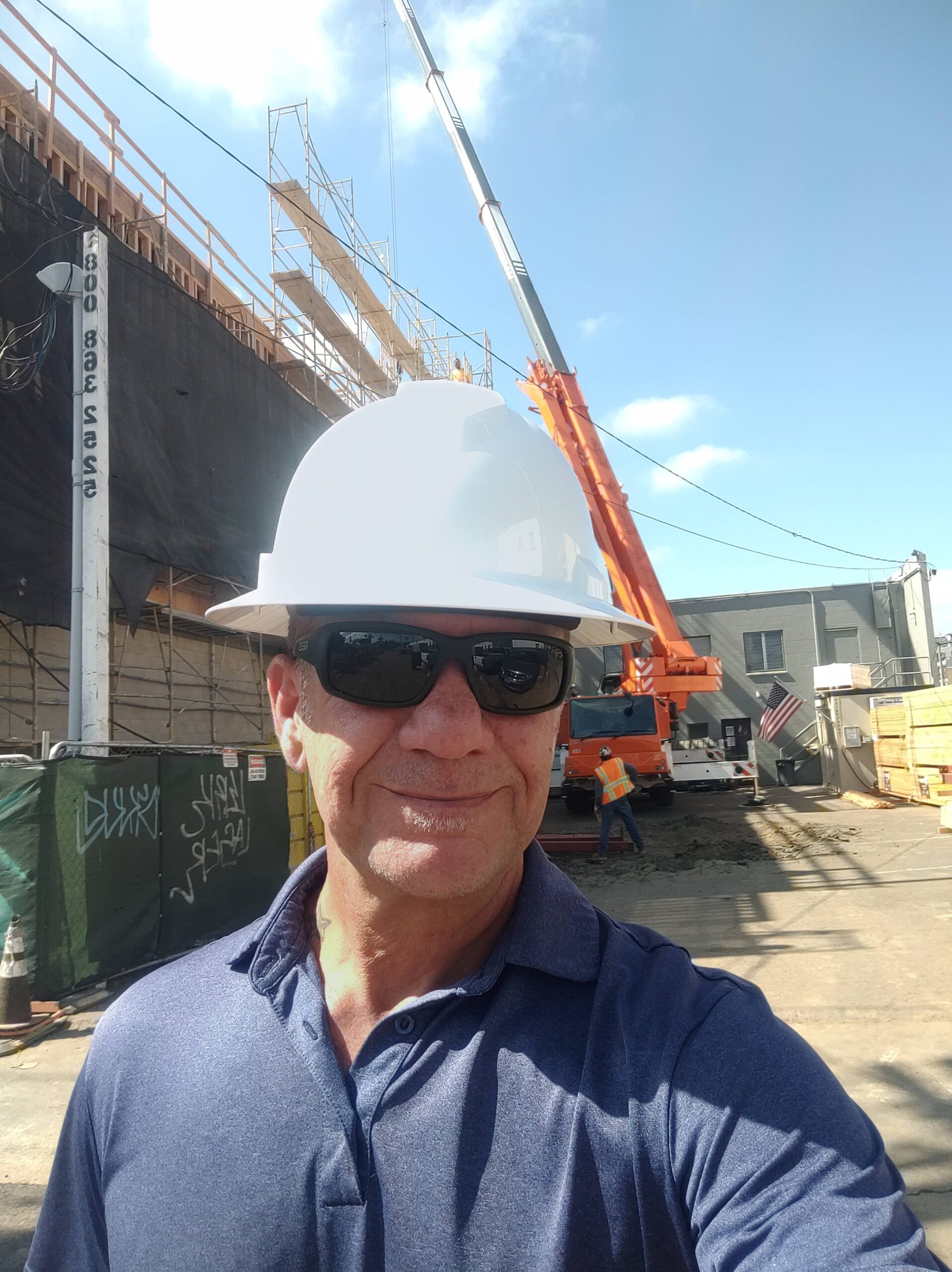
Maurice is the Chief Inspector for U.S. Commercial Building Inspections of Southern California. He is a Certified Commercial Property Inspector (CCPI) with over 25 years of extensive experience in real estate, construction, restoration, remediation, and business development.
He holds numerous inspection certifications with the Commercial Property Inspectors Association (CCPIA), the International Association of Home Inspectors (InterNACHI), and he is also a Certified Mold Inspector (CMI), Certified Mold Remediator (CMR), and a member of the Indoor Air Quality Association (IAQA).
