If you own, sell, or lease commercial or industrial property in San Diego, California has specific legal obligations you must meet when it comes to mold — and failing to comply can expose you to significant liability.
Here is what every commercial property owner needs to know.
California’s Toxic Mold Protection Act of 2001 (California Health and Safety Code §§ 26100–26156) is the primary law governing mold disclosure in the state. Unlike many states, California stands out as one of the few with explicit statutory mold disclosure requirements that apply specifically to commercial and industrial real property.
Two key code sections directly affect commercial property owners in San Diego:
-
Health & Safety Code § 26140 — governs sellers and transferors of commercial/industrial real property
-
Health & Safety Code § 26141 — governs commercial and industrial landlords
Under California Health & Safety Code § 26140, if you are selling or transferring commercial or industrial real property, you must provide written disclosure to prospective buyers as soon as practicable before the transfer of title when you know of the presence of mold — whether visible, invisible, or hidden — that affects the unit or building and either exceeds permissible exposure limits or poses a health threat.
This applies even to mold that is not visibly apparent, as long as the seller has knowledge of its presence.
Key provisions for sellers include:
-
Disclosure must be in writing and delivered before the sale closes
-
Sellers are exempt from disclosing if mold was previously remediated according to California Department of Public Health (CDPH) guidelines
-
Sellers are not required to conduct air or surface testing to determine whether mold exceeds permissible limits — only known mold must be disclosed
Landlord Disclosure Requirements (§ 26141)
Commercial and industrial landlords in San Diego face their own set of disclosure obligations under Health & Safety Code § 26141. Landlords must provide written notice when they know mold is present that affects the unit or building:
-
Prospective tenants must be informed before signing a lease
-
Current tenants in affected units must be notified as soon as is reasonably practical
-
Like sellers, landlords are not required to conduct air or surface testing
-
Landlords are exempt from disclosure if the mold has been properly remediated per state guidelines
Under California law, commercial and industrial landlords have 30 days to remediate mold after being notified by a tenant. If a property is cited as substandard by a local code enforcement officer due to visible mold, the owner is required by law to repair the condition.
Tenant Responsibilities (§ 26142)
The legal obligations are not one-sided. Under Health & Safety Code § 26142, any tenant of a commercial or industrial property who becomes aware that mold is present — or that there is a condition of chronic water intrusion or flooding — must inform the landlord in writing within a reasonable period of time. This creates a mutual duty of transparency between both parties.
What Must Be Disclosed
When disclosure is required, proper documentation should cover all known material facts. Best practices under California law include disclosing:
-
The location of known mold within the property
-
The type of mold, if any testing was performed
-
The cause of the mold (e.g., water intrusion, HVAC issues, plumbing leaks)
-
Any remediation history, including what was done and when
-
Ongoing conditions that could cause mold to recur
Independent inspection reports also serve as critical evidentiary protection against potential claims of fraudulent concealment under Cal. Civ. Code § 1102.13.
Health Standards & San Diego’s Local Enforcement
The California Department of Public Health (CDPH) has taken the position that the mere presence of water damage, dampness, visible mold, or mold odor in a building poses a health threat — even without a specific measured exposure limit.
Since 2016, Senate Bill 655 amended the California Health & Safety Code to add visible mold as a substandard housing condition, making it enforceable by San Diego County’s Department of Environmental Health (DEH). San Diego landlords must ensure their properties are free from conditions that lead to mold growth, such as water leaks or excessive moisture.
A professional inspection helps San Diego commercial property owners:
-
Establish a documented baseline of your property’s condition before listing or leasing
-
Satisfy disclosure obligations with objective, third-party evidence
-
Defend against future liability claims from buyers or tenants
-
Identify hidden moisture conditions using IR thermal cameras and moisture meters before they escalate
Consequences of Non-Compliance
Failing to comply with California’s mold disclosure laws exposes commercial property owners to serious legal and financial risk:
-
Civil liability for health issues experienced by tenants or buyers due to undisclosed mold
-
Lawsuits for fraud or misrepresentation if mold was known but not disclosed
-
Code enforcement action by San Diego County’s DEH for substandard conditions
-
Loss of security deposit rights if mold damage claims are not properly documented within 21 days of a tenant’s departure (Cal. Civ. Code § 1950.5(g)(1))
Why Professional Mold Inspection Matters
While California law does not explicitly require commercial property owners to conduct routine mold testing, obtaining a professional mold inspection is a critical tool for protecting yourself legally and financially.
For a certified commercial mold inspection in San Diego County, contact U.S. Commercial Building Inspections (USCBI) at 619-473-2133.
With over 25 years of commercial real estate experience, USCBI’s inspectors provide the documentation you need to meet your legal obligations and protect your investment.
We offer complete physical inspections including photos, video, lab testing, and an extensive 30+ page report. USCBI also provides limited visual inspections for emergency water damage and mold issues, including a 2-page report with identified damage and estimated remediation costs.
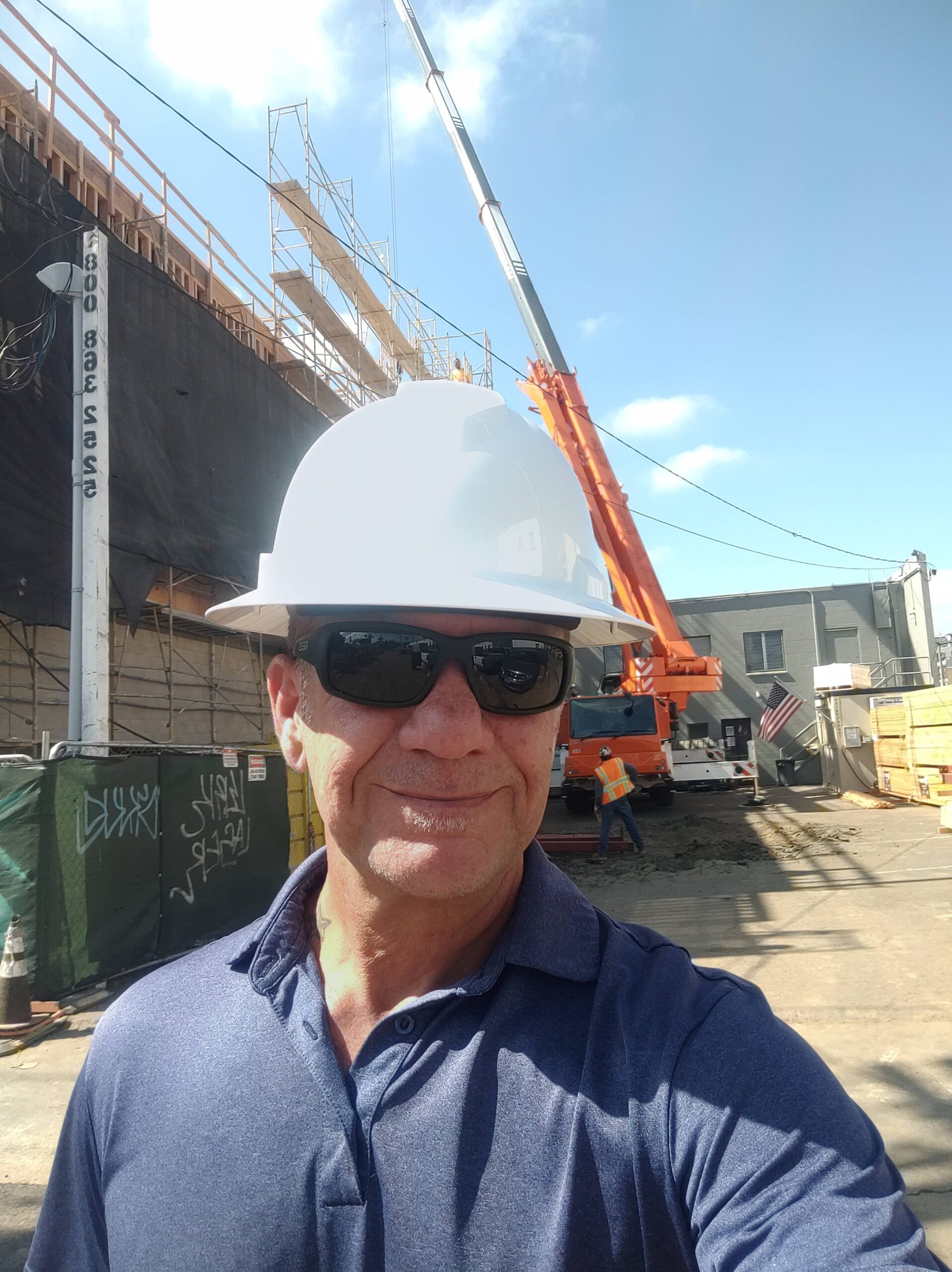
Maurice is the Chief Inspector for U.S. Commercial Building Inspections of Southern California. He is a Certified Commercial Property Inspector (CCPI) with over 25 years of extensive experience in real estate, construction, restoration, remediation, and business development.
He holds numerous inspection certifications with the Commercial Property Inspectors Association (CCPIA), the International Association of Home Inspectors (InterNACHI), and he is also a Certified Mold Inspector (CMI), Certified Mold Remediator (CMR), and a member of the Indoor Air Quality Association (IAQA).
