New commercial construction in Southern California operates under one of the most comprehensive building code frameworks in the nation, requiring thorough inspection processes to ensure safety, compliance, and quality.
US Commercial Building Inspections of San Diego serves as your trusted partner throughout San Diego, Orange, Riverside, San Bernardino, and Los Angeles Counties, navigating the complex regulatory landscape that governs commercial construction projects.
California Building Standards Code Framework
The foundation of all commercial construction inspections in Southern California rests on California’s Title 24 Building Standards Code, which establishes comprehensive requirements for structural integrity, fire safety, accessibility, and energy efficiency.
The 2025 California Building Standards Code, effective January 1, 2026, introduces significant updates that directly impact commercial construction projects across all five counties we serve.
California’s unique approach layers state-adopted international model codes with California-specific amendments addressing regional concerns such as seismic activity, wildfire exposure, and ambitious sustainability goals.
Local jurisdictions can further modify these standards through ordinances, creating a three-tiered system that requires careful navigation for each specific project location.
The California Building Code (CBC) – Title 24, Part 2 forms the foundation of commercial projects, with Volume 1 covering administrative requirements including building classification, fire protection requirements, and accessibility standards, while Volume 2 addresses structural requirements and construction methods.
Chapter 7A specifically addresses wildfire exposure, which is critically important for projects in fire hazard zones throughout Southern California.
Required Inspection Phases
Commercial construction projects must undergo systematic inspection phases to ensure compliance with all applicable codes and standards.
The inspection sequence typically begins with pre-construction meetings, particularly for complex commercial projects where clarification of coastal exemptions, height restrictions, historical resources, and high-priority storm water projects may be required.
Foundation and Underground Systems inspections occur after excavations are complete, forms are constructed, and reinforcing steel, UFER grounding, and seismic restraints are properly installed.
All underground electrical, mechanical, plumbing, fire service, and storm water components must be properly installed and systems requiring testing must be “under test” upon the inspector’s arrival.
Structural Framing inspections progress through multiple phases including first floor systems, upper floor systems with sheathing, exterior wall framing with doors and windows installed, and roof systems with all framing components and sheathing complete.
Each phase requires approval before proceeding to subsequent construction stages.
Rough Systems inspections verify that all electrical, mechanical, plumbing, fire alarm, and fire sprinkler components are properly installed within the structure.
A completed and signed Electrical Circuit Card is required for inspection of any electrical components or systems not shown on approved electrical drawings.
Special Inspection Requirements
Commercial construction projects require special inspections performed by certified professionals for work considered critical to life safety and property protection.
The California Building Code Chapter 17 mandates special inspection for 16 major categories including steel construction, concrete construction, structural masonry, welding operations, and specialty systems.
Steel Construction special inspections cover structural steel elements including material verification of cold-formed steel deck and welding inspection for both steel deck and reinforcing steel. Special inspectors must verify proper installation of structural steel members and required connections before any concealing of members or connections occurs.
Concrete Construction requires special inspection for reinforcing steel placement, prestressing tendons, welding operations, and anchors cast in concrete.
Inspections must verify compliance with approved construction documents and referenced standards throughout the concrete placement process.
Registered Design Professional Requirements mandate that the engineer or architect of record prepare a “Statement Of Required Special Inspections” outlining project-specific special inspections to be performed.
The building official maintains sole authority for approving special inspectors and special inspection agencies.
Energy Code Compliance and Title 24
The 2025 California Energy Code introduces significant changes affecting commercial construction, including mandatory solar panel and battery storage installation for new commercial properties based on conditioned floor area and building type.
Commercial buildings must calculate solar capacity requirements by multiplying floor area by property-specific factor values, with larger properties requiring substantial solar installations.
Electrification Requirements emphasize all-electric baselines for new construction, with gas-fired systems being phased out in favor of electric heat pumps, water heaters, and cooking equipment. Enhanced HVAC efficiency standards include higher minimum SEER ratings and mandatory demand-controlled ventilation in more building types.
Advanced Building Controls must include daylight sensors, occupancy controls, and automated dimming systems in expanded zones including parking lots and warehouses.
Compliance documentation requires detailed energy models and updated forms including load calculations, equipment specifications, and renewable energy plans.
County Specific Requirements
Each of the five counties served by US Commercial Building Inspections maintains specific procedures and additional requirements beyond state standards.
San Diego County requires special inspection approval prior to building permit issuance and maintains specific certification requirements for special inspectors.
Los Angeles County operates a comprehensive inspection program through the Department of Public Works Building and Safety Division, with specific procedures for requesting required inspections and job continuation protocols. The county emphasizes proper fire exits, adequate signage, and ADA compliance throughout the inspection process.
Orange County provides professional building inspection services through OC Development Services, offering grading inspection, subdivision oversight, and encroachment inspection services in addition to standard building inspections. The county maintains specific requirements for commercial locations requiring building permits for all electrical, plumbing, and mechanical work.
Riverside County building inspections are managed through TLMA-Building & Safety, requiring inspection scheduling through their dedicated phone system. The county specializes in inspecting diverse commercial properties from multifamily buildings and schools to high-rises, warehouses, malls, and medical buildings.
San Bernardino County Building and Safety Division enforces Building Standards adopted by both the State of California and San Bernardino County, with inspection requests processed through their SB Direct system. The county maintains comprehensive oversight of commercial construction projects throughout their jurisdiction.
###al Inspection and Occupancy
Final inspections represent the culmination of the commercial construction inspection process and must be completed before buildings can be occupied or placed into use. These comprehensive inspections verify that all construction is complete and that all dependent approvals have been obtained and approved.
Pre-Final Requirements include completion of all special inspections with signed reports submitted for review and approval, installation of all appliances, electrical fixtures, convenience outlets, switches, and plates. Fire alarm and fire sprinkler systems must be fully installed with final surface finishes in place and all devices pretested.
Accessibility Compliance verification occurs throughout appropriate phases of the building process, with field inspection staff determining specific timing requirements. Engineering and public improvement inspections coordinate with the Engineering & Capital Projects Department to ensure all infrastructure requirements are satisfied.
US Commercial Building Inspections of San Diego brings extensive expertise in navigating Southern California’s complex commercial construction inspection requirements across all five counties we serve.
Our comprehensive understanding of state codes, local amendments, and county-specific procedures ensures your commercial construction project achieves successful completion while maintaining full compliance with all applicable regulations and standards.
Source Links for Commercial Construction Inspections Article
Here are the hotlinks to all sources referenced in the commercial construction inspections article:
California State Resources
San Diego County Resources
Orange County Resources
Los Angeles County Resources
Riverside County Resources
San Bernardino County Resources
Special Inspections Resources
Energy Code and Title 24 Resources
-
What Title 24 Means For The Future Of Commercial Solar In California
-
Title 24 Compliance in 2025: What to Know About California’s Evolving Energy Standards
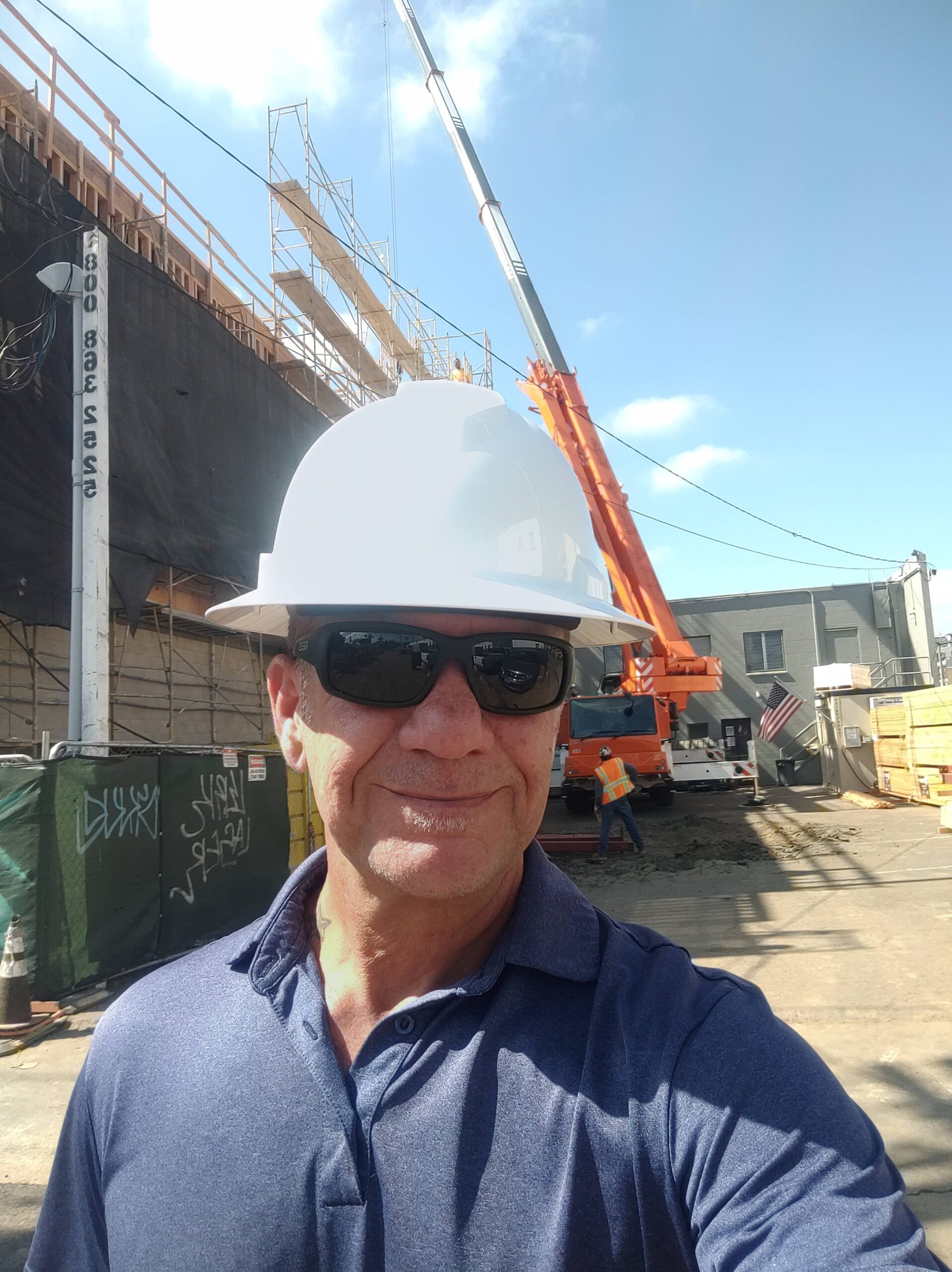
Maurice is the Chief Inspector for U.S. Commercial Building Inspections of Southern California. He is a Certified Commercial Property Inspector (CCPI) with over 25 years of extensive experience in real estate, construction, restoration, remediation, and business development.
He holds numerous inspection certifications with the Commercial Property Inspectors Association (CCPIA), the International Association of Home Inspectors (InterNACHI), and he is also a Certified Mold Inspector (CMI), Certified Mold Remediator (CMR), and a member of the Indoor Air Quality Association (IAQA).
