
Scope & report
What is included in a commercial property inspection?
A commercial property inspection covers the roof, structural system, building envelope, HVAC, electrical, plumbing, fire and life safety systems, vertical transportation, interiors, site improvements and accessibility observations, and delivers findings as prioritized immediate repair and capital reserve tables.
All FAQ / Scope & report
Quick answer
A commercial property inspection covers the roof, structural system, building envelope, HVAC, electrical, plumbing, fire and life safety systems, vertical transportation, interiors, site improvements and accessibility observations, and delivers findings as prioritized immediate repair and capital reserve tables.
— U.S. Commercial Building Inspections (USCBI), commercial property inspectors in San Diego, CA. Serving 5 Southern California counties.
Systems covered
| System | What we evaluate |
|---|---|
| Roof | Membrane or covering condition, flashings, terminations, penetrations, drainage, ponding, prior repairs, estimated remaining life |
| Structure | Foundation, slab, framing, tilt-up panel connections, visible cracking, settlement, deflection, seismic features |
| Envelope | Cladding, stucco, masonry, sealants, glazing and storefront, doors, dock equipment, waterproofing evidence |
| HVAC | Unit inventory with nameplate data, ages, condition, filtration, controls, distribution, remaining life by unit |
| Electrical | Service size, switchgear, panels, grounding, branch wiring type, capacity vs. use, exterior and site lighting |
| Plumbing | Supply and waste piping materials, water heaters, fixtures, backflow, evidence of leaks or prior repiping |
| Fire and life safety | Sprinkler system type and riser, alarm panel, extinguishers, exit and emergency lighting, current tags and certifications |
| Vertical transportation | Elevator condition, certificate status, machine room observations |
| Interiors | Finishes by area, restrooms, tenant improvement condition, common areas |
| Site | Paving and striping, curbs, drainage, retaining walls, landscape irrigation, fencing, signage, trash enclosures |
| Accessibility | Observed ADA and CBC Chapter 11B conditions at parking, path of travel, entries and restrooms |
Documents we review
The walk is only half the assessment. We request permit history, certificate of occupancy, roof invoices and warranties, HVAC service records, fire and elevator certifications, prior condition or environmental reports, and any open code or accessibility complaints. Records often reveal what a single-day visit cannot: a roof recovered without a permit, an unpermitted mezzanine, or a service upgrade that was started and never finaled.
What the deliverable looks like
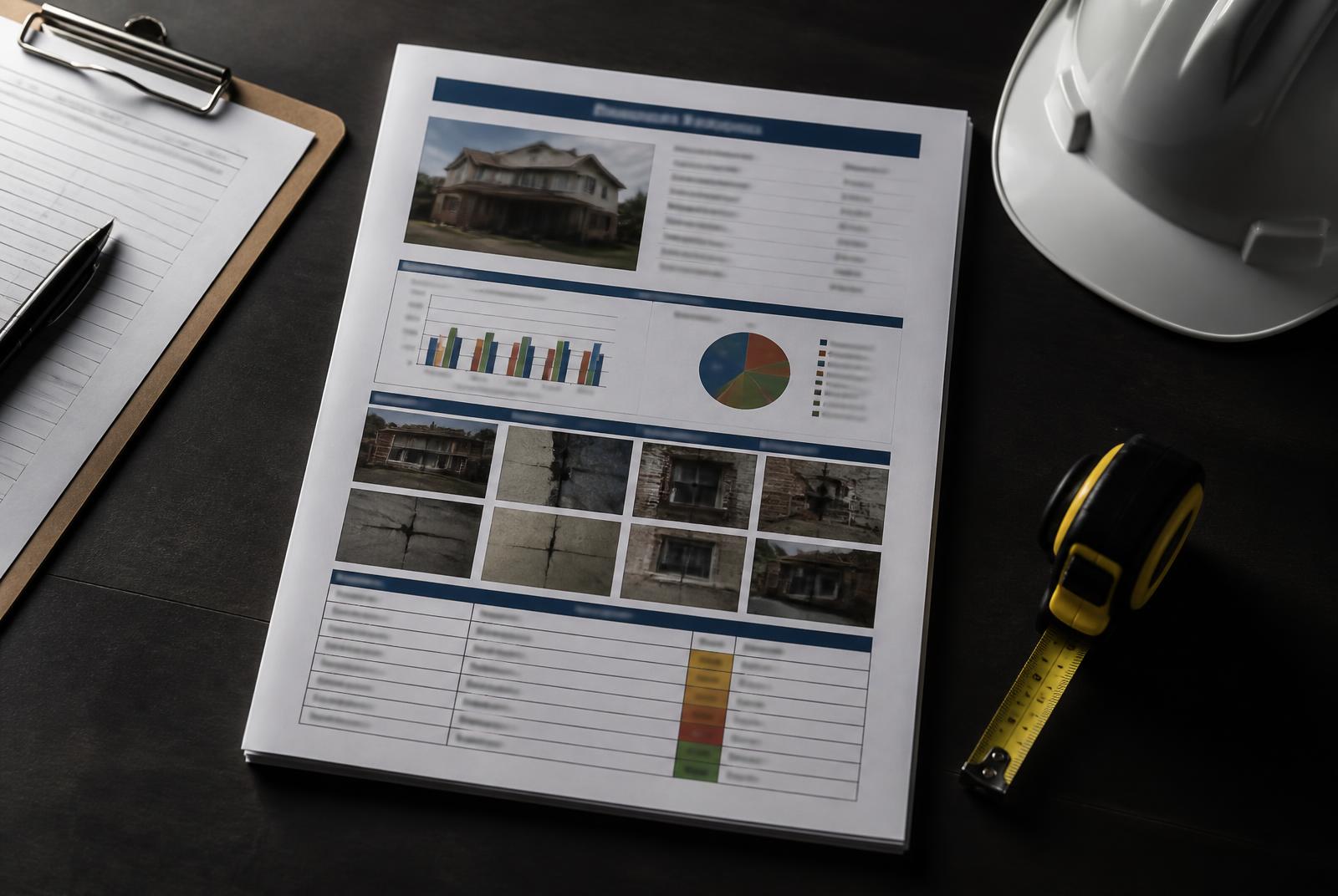
- Executive summary of material findings
- System-by-system narrative with captioned photographs
- Immediate repair table with opinions of probable cost
- Capital reserve table across the analysis period, usually ten or twelve years
- Statement of limitations identifying anything not accessed
Add-on scopes
Phase I Environmental Site Assessment, infrared roof moisture survey, structural engineering review, mold or moisture investigation, drone documentation, ADA compliance survey and code compliance review are separate scopes that we routinely bundle with a condition assessment when the property warrants them.
Reviewed by

Maurice Bedard
Chief Inspector & Owner · CCPI, CMI, CMR
Maurice Bedard is the chief inspector and owner of U.S. Commercial Building Inspections, a Certified Commercial Property Inspector with more than 25 years in commercial real estate, construction, restoration and remediation across Southern California. He has personally inspected office, retail, industrial, multifamily and institutional buildings for buyers, owners, brokers and lenders throughout San Diego, Orange, Los Angeles, Riverside and San Bernardino Counties.
Reviewed by Maurice Bedard · Updated August 22, 2026
More about our inspectors · Questions about your building? Call 619-473-2133.
Related questions
People also ask
What is ASTM E2018 and why does it matter?
ASTM E2018 is the consensus standard for baseline Property Condition Assessments of commercial real estate. It defines the walk-through survey, document review, interviews and the Property Condition Report, including opinions of probable cost, which is why lenders and institutional investors require reports written to it.
What is an immediate repair versus a capital reserve item?
An immediate repair is a deficiency that requires action now or within roughly twelve months, usually for safety, code, or to prevent accelerating damage. A capital reserve item is a system nearing the end of its useful life whose replacement is projected across the analysis period, typically ten or twelve years.
What is not covered by a commercial inspection?
A baseline commercial inspection excludes destructive or invasive testing, structural and seismic calculations, code compliance certification, environmental sampling, system performance testing, and anything concealed or inaccessible on inspection day. Each of those can be added as a defined out-of-scope service.
What is the difference between a PCA and a home inspection?
A Property Condition Assessment follows ASTM E2018, evaluates commercial systems under commercial standards, and delivers opinions of probable cost plus a multi-year capital reserve table. A home inspection follows a residential standard of practice and produces a defect checklist with no cost modeling and no lender acceptance.
Request a quote
Get this answered for your property
Send the address, asset type and approximate square footage. We reply with scope and fee, usually the same business day.
619-473-2133
Mon–Fri 7:00am–6:00pm