
Short answer
Preventive maintenance is planned work done on a schedule to keep systems from failing. Reactive maintenance is repairing systems after they fail. For most commercial buildings, preventive maintenance costs less over the life of the equipment because it avoids emergency rates, secondary damage, tenant disruption and early replacement. Reactive repairs will never disappear, but they should be the exception, not the plan.
Where reactive maintenance gets expensive
The repair itself is often not the largest cost. The bigger costs come from what happens around the failure.
- After-hours and weekend service rates
- Secondary damage, such as a roof leak that ruins ceilings, flooring and tenant inventory
- Moisture left in place long enough to create mold concerns
- Lost rent, tenant complaints and lease friction
- Early replacement of equipment that could have lasted years longer
- Rushed decisions made without competitive pricing
Three San Diego examples
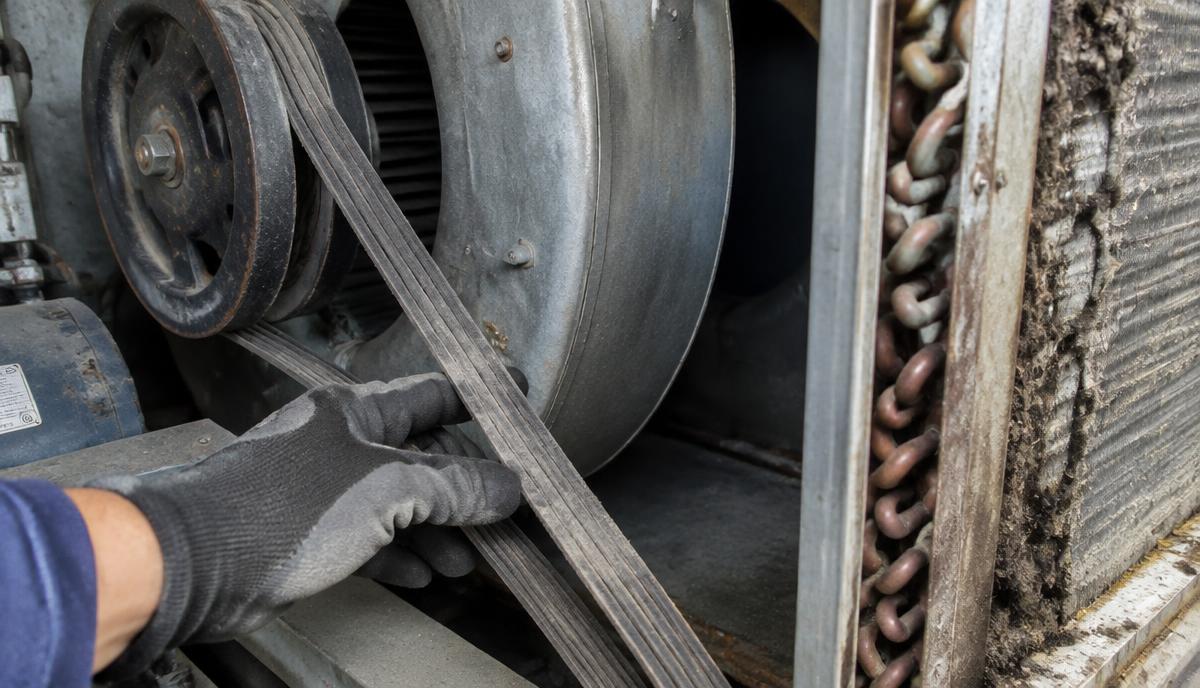
Rooftop HVAC in a summer heat wave. An inland office in El Cajon or Santee runs its rooftop units hard all summer. A unit with dirty coils and a worn belt can fail on the hottest day of the year, when service companies are busiest. Spring service, including coil cleaning, belt and drain checks, costs a fraction of an emergency compressor or motor replacement.
A flat roof before the first storm. San Diego rain often arrives in a few heavy storms. A clogged drain or split seam that went unnoticed all summer can let water into the building on the first rainy night. A fall roof inspection and drain clearing is routine work; interior water damage, ceiling replacement and possible mold assessment are not.
Parking lots and walkways. Cracked concrete, raised slabs and faded markings at a retail center look minor but create trip hazards and liability exposure. Scheduled power washing, crack repair and re-striping are planned costs instead of claim-driven costs.
Side-by-side comparison
- Timing: preventive is scheduled; reactive happens whenever something breaks
- Budget: preventive is predictable monthly or quarterly; reactive is lumpy and hard to forecast
- Equipment life: preventive extends it; reactive tends to shorten it
- Tenant experience: preventive is mostly invisible; reactive means outages and complaints
- Documentation: preventive creates a service history buyers and lenders value; reactive leaves gaps
Why documentation matters at sale or refinance
When a building is sold or refinanced, a property condition assessment looks at the age and condition of major systems and estimates near-term capital needs. Buildings with deferred maintenance often show larger immediate repair costs in those reports, which can affect price negotiations and lender reserves. A documented preventive program gives buyers and lenders evidence that systems were cared for.
Because USCBI performs property condition assessments, we see this from both sides. Our maintenance reports are written so they are useful later in due diligence.
How to move from reactive to preventive
- Start with a condition baseline so you know what is already deferred
- Fix active leaks and safety items first
- Put roofs and HVAC on a written seasonal schedule
- Set a pre-approved repair limit so small fixes are not delayed
- Track every work order with photos and dates
- Review spending quarterly and adjust the scope
Tip: Not sure where to start? A capital needs assessment ranks repairs and replacements by year, so your maintenance budget follows real priorities.
Budgeting without guesswork
We do not publish one price for maintenance because building age, size, number of rooftop units, roof type, tenant mix and cleaning frequency change the scope. The fastest way to a real number is a walkthrough. Call USCBI at 619-473-2133 or request a quote, and we will send a written scope for your building.
Frequently asked questions
Is preventive maintenance worth it for a small commercial building?
Usually yes. Even small buildings have roofs and HVAC units where a missed service can lead to emergency repairs and interior damage that cost far more than routine care.
How often should rooftop HVAC units be serviced in San Diego?
Many owners service rooftop units at least twice a year, before cooling and heating seasons, with filter checks more often. Coastal and heavy-use buildings may need more; follow manufacturer guidance.
When should a San Diego commercial roof be inspected?
At least once a year, ideally in early fall before the rainy season, and again after major storms.
Can USCBI take over maintenance for a building that has been neglected?
Yes. We start with a condition walkthrough, prioritize safety and leak issues, then build a preventive schedule from there.
About the author

Maurice Bedard
Chief Inspector & Owner · CCPI, CMI, CMR
Maurice Bedard is the chief inspector and owner of U.S. Commercial Building Inspections and Maintenance, a Certified Commercial Property Inspector with more than 25 years in commercial real estate, construction, restoration and remediation across Southern California. He has personally inspected office, retail, industrial, multifamily and institutional buildings for buyers, owners, brokers and lenders throughout San Diego, Orange, Los Angeles, Riverside and San Bernardino Counties.
Written and reviewed by Maurice Bedard
More about our inspectors · Questions about your building? Call 619-473-2133.