
Maintenance Division · Janitorial & exterior
Commercial Building Cleaning Service in San Diego, CA
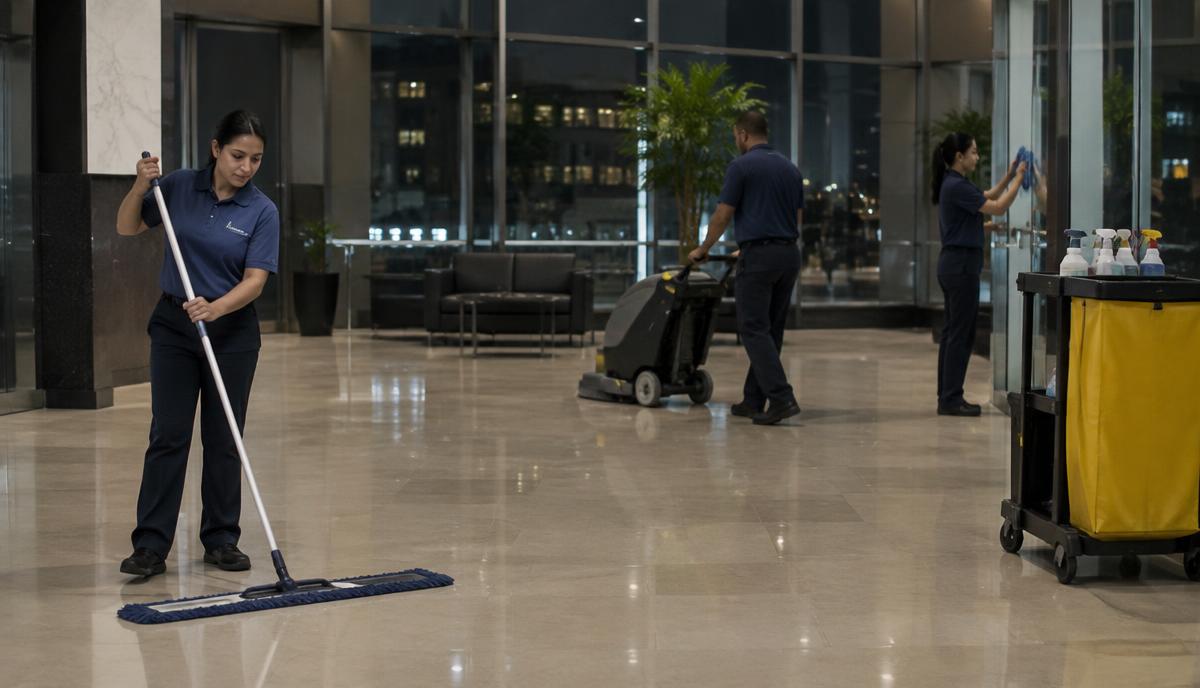
Nightly janitorial, day porter, pressure washing and window cleaning for offices, medical buildings, retail and industrial sites.
A clean building leases faster and keeps tenants longer. USCBI provides scheduled janitorial and exterior cleaning with checklists and supervisor inspections, so you see consistent results instead of chasing a crew.
What's included
- Nightly and weekly janitorial service
- Day porter service for common areas and restrooms
- Pressure washing of walkways, parking structures and dumpster areas
- Exterior and interior window cleaning
- Carpet cleaning and hard floor care
- Post-construction and move-out cleaning
Build a cleaning scope around the whole property
Commercial building cleaning should connect the entrance, shared interiors, and exterior presentation rather than treating each as an unrelated task. USCBI starts by reviewing traffic patterns, surface materials, visible buildup, access limitations, and tenant expectations. Your dedicated Service Manager helps define priorities and quality standards. Your dedicated Service Coordinator organizes the schedule, property access, and follow-up communication.
The scope separates routine attention from periodic restorative work so expectations are clear. A heavily used entrance may need different treatment from a lightly occupied corridor, while a stained exterior surface may require assessment before a cleaning method is selected. This property-specific approach helps avoid both overlooked areas and unnecessary work that does little to improve the experience of the people using the building.
Respond to San Diego's changing exposure
Coastal salt air and marine-layer moisture in Oceanside, Carlsbad, and Encinitas can affect glass, exterior surfaces, and shaded areas. Inland heat in Escondido, El Cajon, Santee, and Poway changes working conditions and can influence when exterior cleaning is practical. USCBI considers those differences when coordinating methods, timing, and priorities for each commercial property.
During the November–March rainy season, tracked-in soil and wet entrances may call for adjustments to interior attention. Exterior washing also needs deliberate runoff planning. Wash water can carry detergents, oil, sediment, and other pollutants; it should not be allowed to flow untreated into storm drains. Applicable local requirements and site conditions guide containment, collection, and appropriate disposal arrangements before washing begins.
Tip: Identify stained or delicate surfaces during the walkthrough so the proposed cleaning method can be reviewed before work starts.
Clean around business activity and surface needs
An office lobby, retail walkway, medical common area, and industrial breakroom do not share the same cleaning priorities. Office properties often emphasize presentation and shared amenities. Retail needs attention to entrances and customer routes. Medical buildings require clear boundaries between general building cleaning and tenant-controlled clinical protocols. Industrial sites need coordination around operating areas and the type of residue involved.
USCBI organizes work around those differences rather than assuming one product or schedule suits every surface. Access, drying time, and temporary restrictions should be discussed in advance, especially where cleaning could affect pedestrian routes or nearby operations. The work plan also needs to distinguish removable soil from wear or damage that cleaning cannot correct.
- Match the method to the surface and observed condition.
- Confirm access to occupied and restricted areas.
- Coordinate temporary closures or drying periods.
- Flag deterioration that requires repair rather than more cleaning.
Use one partner to connect presentation with upkeep
Cleaning teams often notice loose fixtures, staining, damaged finishes, or recurring moisture before those conditions become formal repair requests. USCBI connects those observations with maintenance coordination through your Service Manager and Service Coordinator. Instead of leaving the property team to translate between separate providers, one local partner keeps the concern attached to a clear next step.
Routine inspections, quality control, and proactive follow-up help determine whether the agreed scope is producing the expected result. If an area keeps looking dirty, the answer may involve a different method, a revised schedule, or repair of the underlying surface. USCBI also provides 24/7/365 local emergency response for urgent building incidents; any specialized cleanup needs are evaluated separately. This broader relationship keeps cleaning focused on usable, presentable commercial space rather than isolated tasks.
Problems we solve
- Inconsistent cleaning crews
- Tenant complaints about restrooms and common areas
- Stained walkways and entries hurting curb appeal
Inspected first, maintained right
Our maintenance plans start from the same inspection discipline behind our property condition assessments and commercial roof inspections, so repairs target the real cause.
Commercial Building Cleaning Service by city
Commercial Building Cleaning Service FAQs
Do you clean medical and dental offices?
Yes. We follow cleaning and disinfection checklists suited to medical office buildings and can work after hours.
Can you combine cleaning with maintenance?
Yes — that's a big reason owners choose USCBI. One vendor and one invoice for cleaning, repairs and preventive maintenance.
How is restorative cleaning different from routine cleaning?
Routine cleaning addresses the recurring soil and use patterns covered by the schedule. Restorative work targets accumulated buildup or a more involved surface condition and may need separate methods, access arrangements, and approval. USCBI can help distinguish those needs during the walkthrough so a routine scope is not expected to resolve every historic stain.
Can cleaning remove every exterior stain?
No. Some discoloration reflects permanent material changes, corrosion, old coatings, or deeply embedded contamination rather than removable surface dirt. The surface and stain should be assessed before a method is chosen. Discuss appearance expectations in advance, especially when an aggressive approach could damage the substrate or surrounding finishes.
Who should approve cleaning near sensitive equipment?
Your property team should identify the tenant or operations contact who understands the equipment and any restrictions. USCBI can coordinate the proposed work around those instructions. General building cleaning should not be assumed to include equipment interiors, production systems, or specialized environments without a separately reviewed scope and appropriate procedures.
How can exterior washing be planned near customers?
Discuss pedestrian routes, nearby storefronts, operating hours, and the time an area may remain wet. The plan can then account for access control, adjacent surfaces, and runoff handling before work begins. Scheduling alone is not enough; the actual work area needs to remain compatible with safe customer movement.
What should we report if a cleaned area quickly looks dirty again?
Share where the condition returns, how soon it appears, and what activity occurs nearby. Photographs taken under similar lighting can help. Recurring soil may reflect traffic, drainage, adjacent operations, or surface deterioration, so the next step may be an adjustment to the scope rather than simply repeating the same cleaning.
Related
Related maintenance services
Commercial Property Maintenance
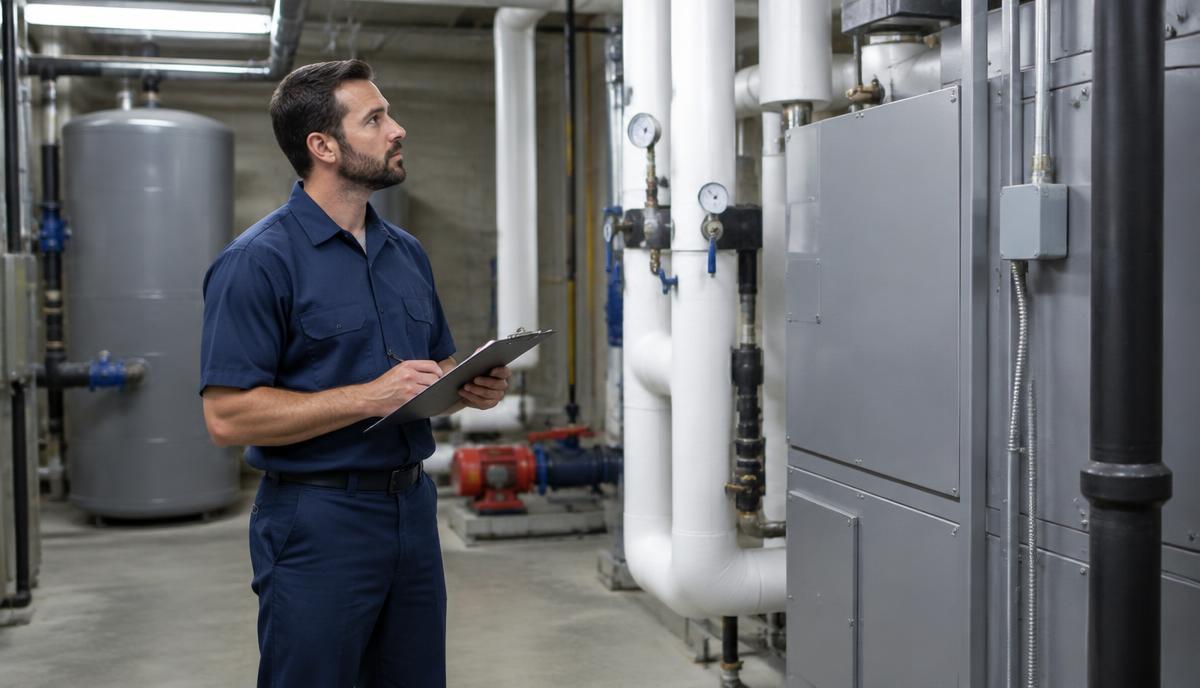
Scheduled preventive maintenance that keeps offices, retail centers and industrial buildings running without surprise breakdowns.
View scope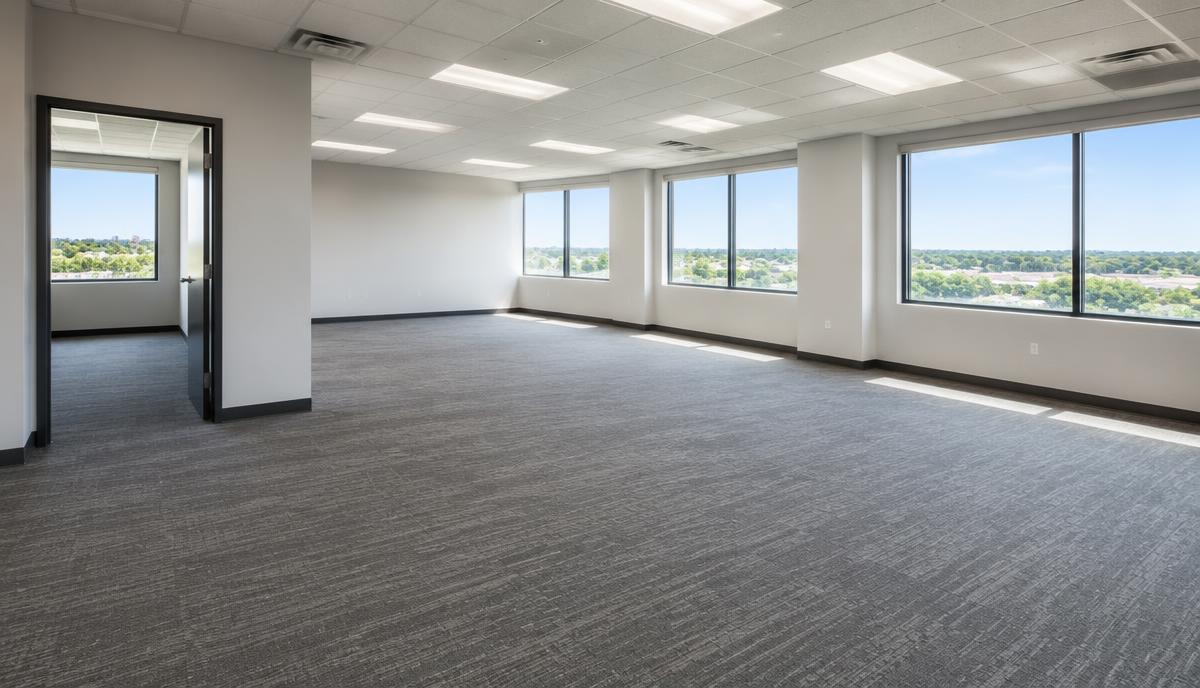
Commercial Property Repair Services
Drywall, doors, plumbing, electrical, water damage and general repairs for commercial buildings — handled fast with minimal tenant disruption.
View scope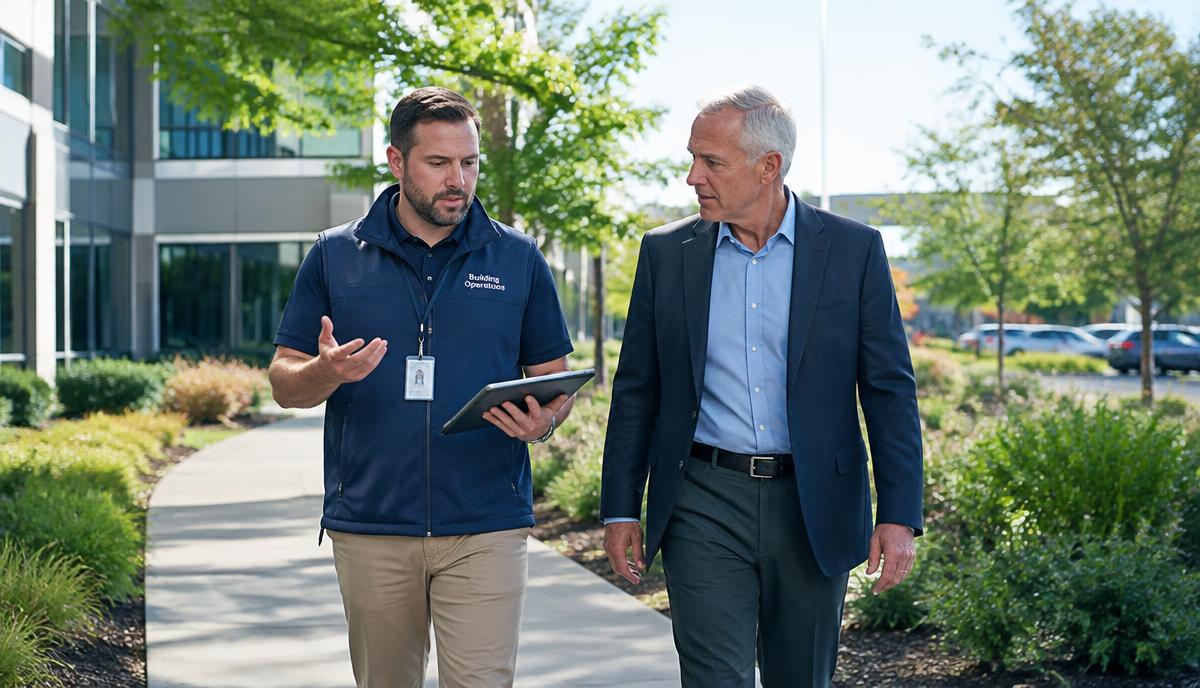
Commercial Building Operations Manager
An outsourced building operations manager who runs vendors, work orders, budgets and inspections for your property.
View scopeRequest a quote
Request a commercial building cleaning service quote
Send the address, asset type and approximate square footage. We reply with scope and fee, usually the same business day.
619-473-2133
Mon–Fri 7:00am–6:00pm