
Maintenance Division · Preventive programs
Commercial Property Maintenance in San Diego, CA
Scheduled preventive maintenance that keeps offices, retail centers and industrial buildings running without surprise breakdowns.
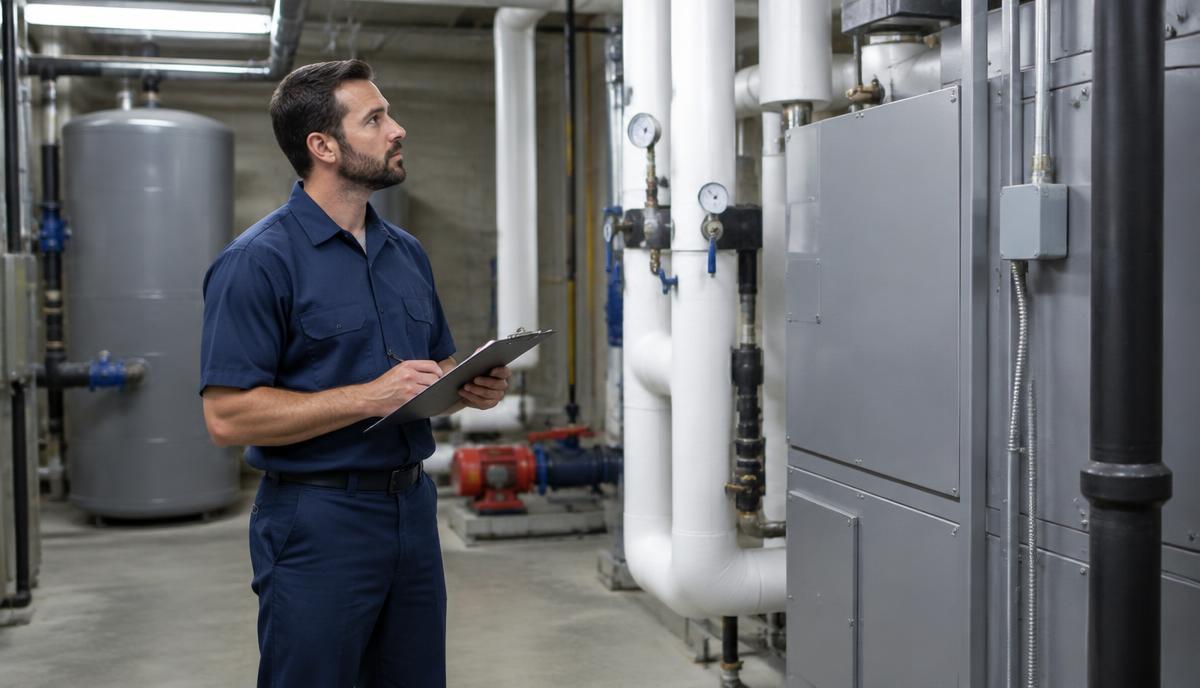
USCBI builds a written maintenance calendar for every building we take on — walkthroughs, filter changes, roof and drain checks, lighting, doors, plumbing and life-safety items — so small issues get fixed before they become tenant complaints or capital expenses.
What's included
- Monthly or quarterly building walkthroughs with photo reports
- Preventive maintenance calendars for HVAC, roof, plumbing and electrical
- Lighting, ballast and LED retrofit work
- Door hardware, closers, locks and ADA path-of-travel fixes
- Parking lot, signage and exterior touch-ups
- Tenant work orders handled through one point of contact
A maintenance plan built around your property
Commercial property maintenance works best when the schedule reflects how a building actually operates. USCBI starts with a walkthrough to understand equipment, recurring complaints, access restrictions, and maintenance history. Your dedicated Service Manager helps prioritize conditions that affect safety, tenant experience, and asset condition. Your dedicated Service Coordinator organizes visits, access details, and follow-up so approved tasks do not disappear between emails.
The resulting plan connects routine inspections with practical next steps. Instead of treating every observation as an immediate project, USCBI separates urgent attention from scheduled upkeep and longer-term planning. Owners get a clearer view of what needs attention now, what can be grouped into a future visit, and what deserves further evaluation.
Prepare for coastal exposure, inland heat, and winter rain
A property near the ocean does not face the same maintenance pressures as an inland business park. In Oceanside, Carlsbad, and Encinitas, coastal salt air and the marine layer make exposed hardware, metal surfaces, and moisture-sensitive finishes important inspection points. In Escondido, El Cajon, Santee, and Poway, inland heat puts added emphasis on cooling performance and sun-exposed materials.
USCBI uses those differences to guide seasonal priorities rather than applying one checklist everywhere. Ahead of the November–March rainy season, attention shifts toward drainage routes, roof observations, and signs of water entry. Exterior housekeeping also matters: keeping debris away from drains helps reduce blockages without washing pollutants into stormwater infrastructure.
Tip: Share recurring seasonal complaints during the first walkthrough so the maintenance plan reflects problems that may not be visible that day.
Match the work to the people using the building
An effective program respects occupied space. Office visits need to account for meetings and shared amenities; retail work must preserve customer access and storefront presentation. Medical properties require coordination around patient movement and tenant-specific protocols. Industrial sites need maintenance windows that respect loading activity, equipment access, and operational boundaries.
USCBI coordinates the sequence with your property team before work begins. Clear access instructions help avoid unsuccessful visits, while agreed communication keeps tenants informed about relevant interruptions. Routine inspections then provide a consistent opportunity to notice changes before they generate another complaint.
- Office: shared-area condition and tenant comfort concerns.
- Retail: entrances, exterior presentation, and high-use fixtures.
- Medical: coordinated access and attention to shared spaces.
- Industrial: service routes, loading areas, and practical work windows.
Keep inspection findings connected to completed work
One local partner gives owners a continuous thread between finding a problem and confirming what happened next. USCBI connects maintenance observations with repair coordination, rather than leaving you to explain the same issue to several unrelated vendors. Your Service Manager oversees priorities and quality control, while your Service Coordinator keeps scheduling and follow-up moving.
That continuity is especially useful across multiple commercial properties, where small unfinished items can become difficult to track. USCBI follows up on open concerns and reviews completed work against the agreed scope. When an urgent condition interrupts the plan, 24/7/365 local emergency response provides a separate route for immediate assistance. Emergency work can then inform future maintenance priorities instead of becoming an isolated event with no follow-through.
Problems we solve
- Reactive repairs eating your operating budget
- Tenants calling you first instead of a vendor
- Deferred maintenance showing up in lender or buyer reports
Inspected first, maintained right
Our maintenance plans start from the same inspection discipline behind our property condition assessments and commercial roof inspections, so repairs target the real cause.
Commercial Property Maintenance by city
Commercial Property Maintenance FAQs
How often should a commercial building have preventive maintenance?
Most San Diego office and retail buildings do well with monthly walkthroughs and quarterly system service. HVAC filters and roof drains usually need attention every 1–3 months, especially before the winter rains.
Do you sign maintenance contracts?
Yes. We offer monthly maintenance agreements scoped to your building size and systems, plus on-call service for owners who prefer to pay per visit.
What information helps USCBI establish a maintenance baseline?
Existing equipment lists, service records, unresolved tenant requests, and known access restrictions are useful starting points. Share any available warranties and prior inspection findings as well. USCBI can use that context during the walkthrough to distinguish recurring trouble from isolated defects and identify information that still needs to be confirmed.
Can the maintenance plan distinguish owner and tenant responsibilities?
Yes. Provide the responsibility information your property team uses, including relevant lease provisions or an approved responsibility matrix. USCBI can organize proposed tasks around those directions and flag unclear items for your review. The property owner or manager remains responsible for interpreting lease obligations and authorizing work.
How should we handle a backlog of deferred upkeep?
Start by identifying active hazards, water intrusion, and conditions that interfere with occupancy or essential operations. USCBI can help organize the remaining backlog into manageable groups for owner review. That allows you to consider access, dependencies, and available funding before approving a sequence, rather than treating every overdue item as equally urgent.
Can maintenance visits support future capital planning?
Routine observations can reveal repeated repairs, deteriorating finishes, or equipment concerns that deserve a larger planning discussion. USCBI can bring those patterns to your attention and help define the next evaluation step. A maintenance walkthrough is not a substitute for a specialist assessment, engineering study, or formal remaining-life analysis.
What happens when an inspection reveals work outside the agreed scope?
The finding should be separated from the originally scheduled tasks so you can review the proposed next step. Your USCBI contacts can coordinate additional investigation or repair planning as appropriate. Establishing approval authority and emergency instructions at onboarding helps prevent uncertainty when an unexpected condition needs a prompt decision.
Related
Related maintenance services
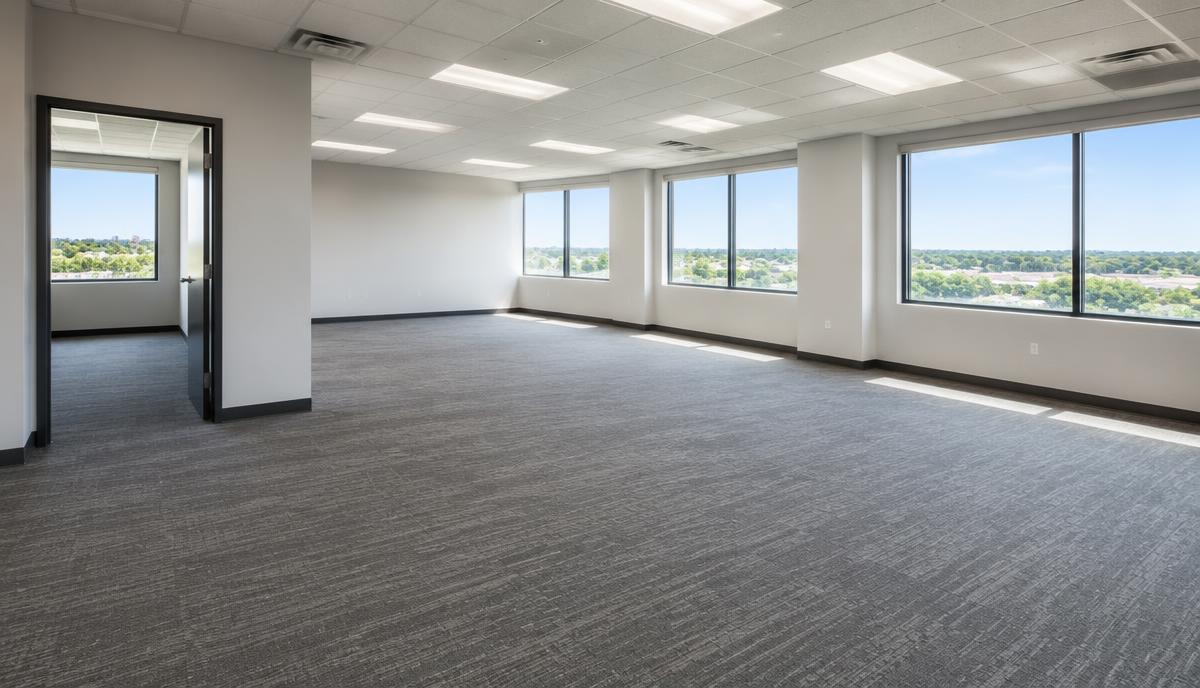
Commercial Property Repair Services
Drywall, doors, plumbing, electrical, water damage and general repairs for commercial buildings — handled fast with minimal tenant disruption.
View scope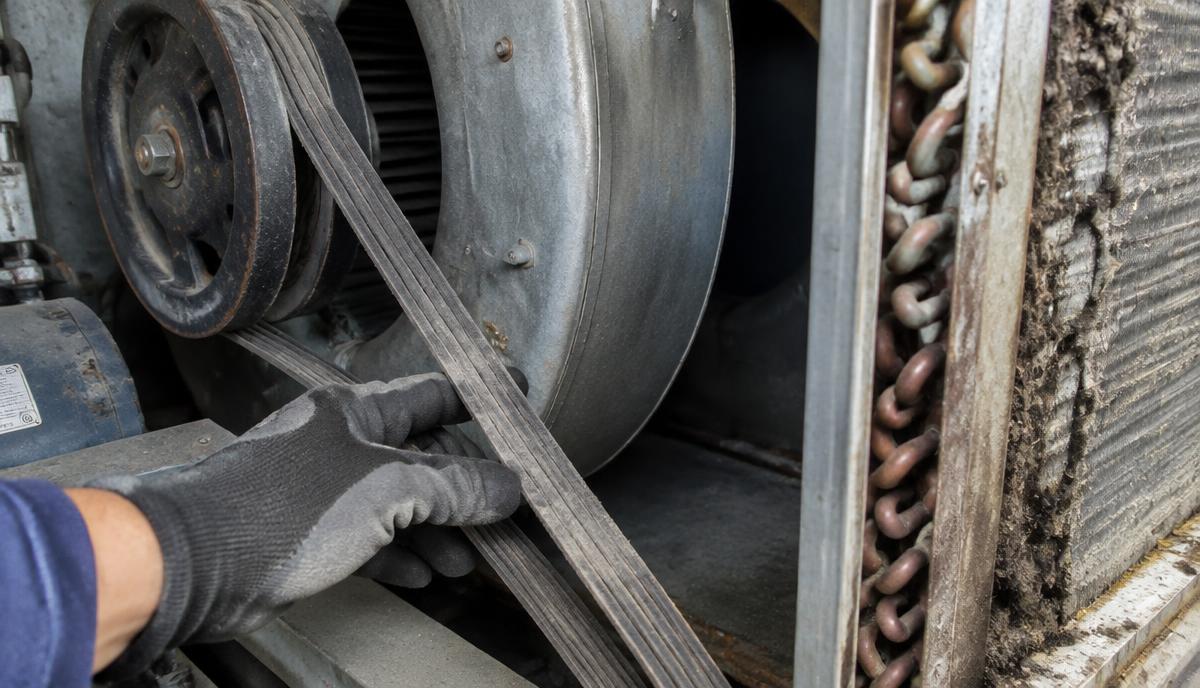
Commercial HVAC Repair
Rooftop unit, split system and VRF repair and preventive maintenance to keep tenants comfortable and energy bills under control.
View scope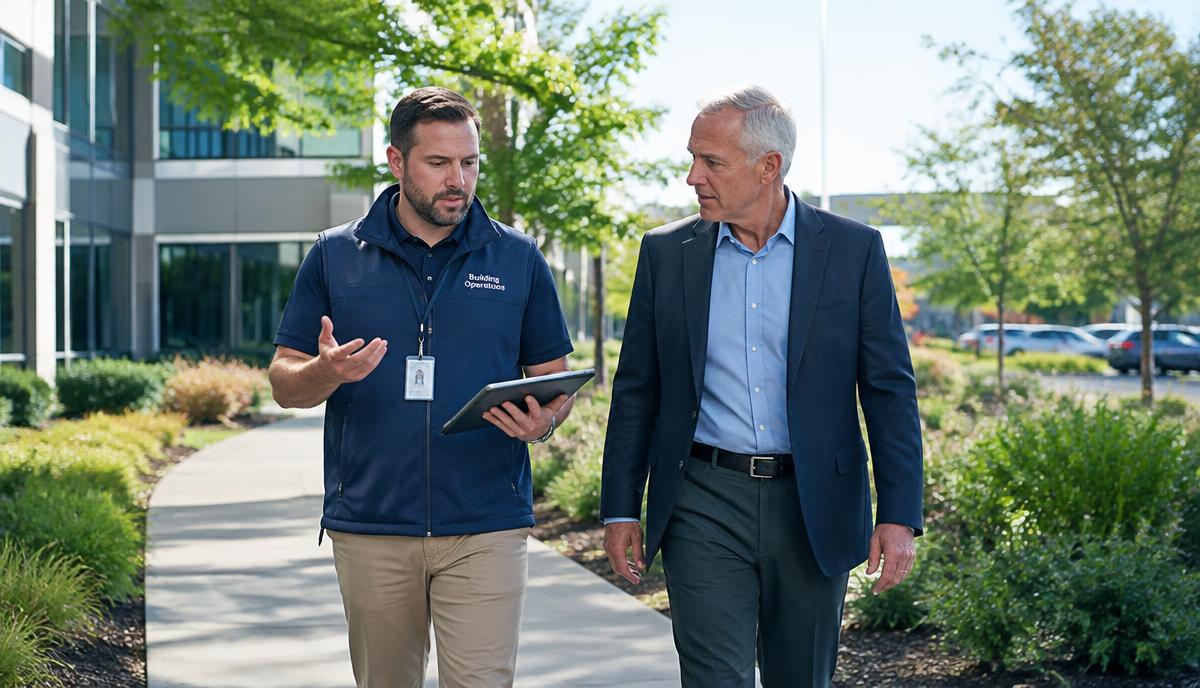
Commercial Building Operations Manager
An outsourced building operations manager who runs vendors, work orders, budgets and inspections for your property.
View scopeRequest a quote
Request a commercial property maintenance quote
Send the address, asset type and approximate square footage. We reply with scope and fee, usually the same business day.
619-473-2133
Mon–Fri 7:00am–6:00pm