Maintenance Division · Flat & low-slope
Commercial Roof Repair in San Diego, CA
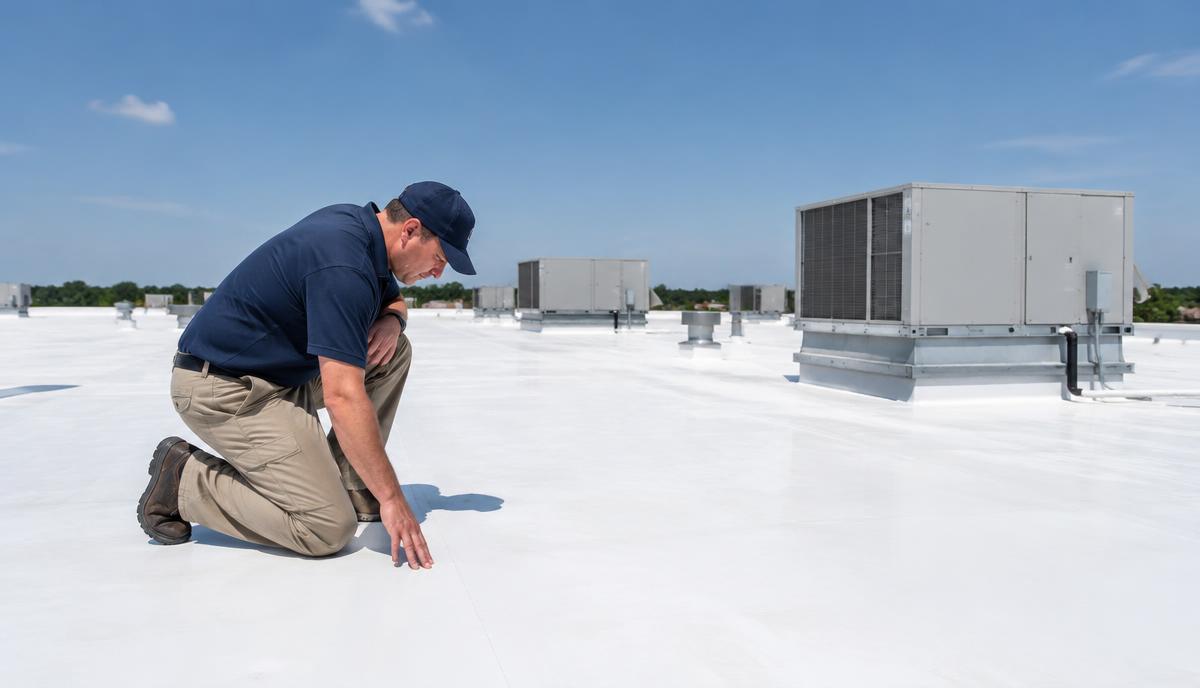
Leak repair, flashing, drains and coating for flat and low-slope commercial roofs — TPO, built-up, modified bitumen and foam.
Most commercial roof leaks in San Diego start at flashing, penetrations and clogged drains — not the field of the roof. USCBI finds the actual source, repairs it properly and gives you a written condition report so you can plan the roof's remaining life.
What's included
- Leak detection and emergency tarping
- Flashing, curb and penetration repair
- Roof drain, scupper and gutter clearing
- TPO, PVC, built-up, mod-bit and foam roof repairs
- Roof coating and restoration to extend roof life
- Pre-rain-season roof inspections with photos
Trace the leak before choosing the repair
Water on a ceiling tells you where moisture became visible, not necessarily where it entered the roof assembly. USCBI approaches commercial roof repair by collecting leak history, reviewing affected interior locations, and examining relevant roof conditions where access is safe. Your dedicated Service Manager coordinates the repair priorities, while your dedicated Service Coordinator arranges access and communication with the property team.
The assessment considers seams, penetrations, flashing, drainage, and nearby equipment rather than assuming every leak needs the same patch. Proposed work should account for the existing roof material and the condition around the defect. When further investigation is needed, that uncertainty belongs in the discussion before a localized repair is treated as a complete solution.
Account for coastal exposure and the winter rain cycle
Salt air and the marine layer in Oceanside, Carlsbad, and Encinitas make corrosion and persistent moisture important considerations around exposed metal details. Inland heat in Escondido, El Cajon, Santee, and Poway places different stresses on weather-exposed roof components. USCBI considers local exposure alongside the roof's visible condition and maintenance history when coordinating repair recommendations.
The November–March rainy season makes drainage especially important. Debris near drains or scuppers can interfere with water movement and complicate an existing defect. Roof debris and repair residue should be collected rather than flushed into stormwater systems. During active weather, safe access, temporary protection, and permanent repair may require separate visits; a response is not a promise that every roof can be repaired immediately.
Tip: Keep a dated record of where leaks appear and whether they occur during wind-driven rain or after prolonged rainfall.
Coordinate rooftop work with the business below
Roof repairs can affect more than the roof surface. Office buildings may need coordination around noise and ceiling access. Retail sites must consider customers near work zones. Medical properties require advance communication about sensitive occupied areas. Industrial facilities may need protected routes around loading operations and rooftop equipment access.
USCBI connects those needs before mobilization so the property team understands the working area and likely dependencies. HVAC equipment, roof penetrations, and drainage details often involve overlapping responsibilities. Keeping those interfaces visible helps avoid repairing one component while overlooking a nearby source of water entry.
- Confirm roof access, access permissions, and interior inspection locations.
- Identify equipment or tenant operations near the proposed repair.
- Coordinate protection of affected areas below the work.
- Record unresolved conditions that need additional investigation or monitoring.
Keep roof findings connected to property decisions
A single local partner helps connect roof work with interior restoration, maintenance planning, and follow-up. Your USCBI Service Manager oversees the agreed scope and quality control, while your Service Coordinator keeps the next steps organized. Owners are not left to reconcile separate accounts from the people handling roof access, ceiling damage, and ongoing tenant concerns.
After repair, the important questions include what was addressed, what remains uncertain, and what should be watched during future weather. Repeated leaks or broader deterioration may warrant specialist evaluation rather than another isolated patch. USCBI provides 24/7/365 local emergency response for urgent building incidents, with work governed by actual site and weather conditions. That continuity gives your property team a clearer basis for both immediate decisions and longer-term roof planning.
Problems we solve
- Leaks that come back after every rain
- Ponding water and clogged drains
- Not knowing whether to repair or replace
Inspected first, maintained right
Our maintenance plans start from the same inspection discipline behind our property condition assessments and commercial roof inspections, so repairs target the real cause.
Commercial Roof Repair by city
Commercial Roof Repair FAQs
Should I repair or replace my commercial roof?
If damage is limited to flashing, seams or penetrations and the membrane is still sound, repair or coating is usually the better investment. Widespread wet insulation or a roof past its service life often justifies replacement.
When is the best time for roof maintenance in San Diego?
September through November, before the winter rains. Clearing drains and sealing flashing then prevents most rainy-season leaks.
Why might a ceiling stain appear away from the roof defect?
Water can travel along structural elements, insulation, or other concealed surfaces before becoming visible indoors. The location of the stain is useful evidence, but it does not establish the entry point by itself. Share nearby equipment locations and previous leak observations so the investigation can consider more than the stained ceiling tile.
Should rooftop equipment work be mentioned before a leak assessment?
Yes. Recent HVAC service, equipment installation, or other rooftop activity can provide helpful context without proving who or what caused a leak. Give USCBI the dates and work descriptions if available. Reviewing penetrations, access routes, and nearby roof details can help identify areas that deserve closer examination.
What should we check about an existing roof warranty?
Locate the warranty documents and any instructions about notification, approved repair methods, or authorized contractors before permanent work proceeds. Warranty coverage depends on the actual terms and roof condition. USCBI can coordinate the discussion around those documents, but a repair recommendation alone does not establish eligibility for a warranty claim.
Does standing water always mean the drain is blocked?
No. Debris is one possible cause, but roof slope, drain configuration, or other conditions can also affect drainage. Tell USCBI how long the water remains and whether the pattern has changed. Persistent ponding deserves evaluation rather than an assumption that clearing a visible drain will resolve the whole issue.
What information is useful after the next rainfall?
Report whether the original location stayed dry, whether new damp areas appeared, and when any symptoms started relative to the rain. Photographs from consistent locations can help compare conditions. Avoid accessing the roof yourself during unsafe weather; interior observations can still support an informed follow-up discussion.
Related
Related maintenance services
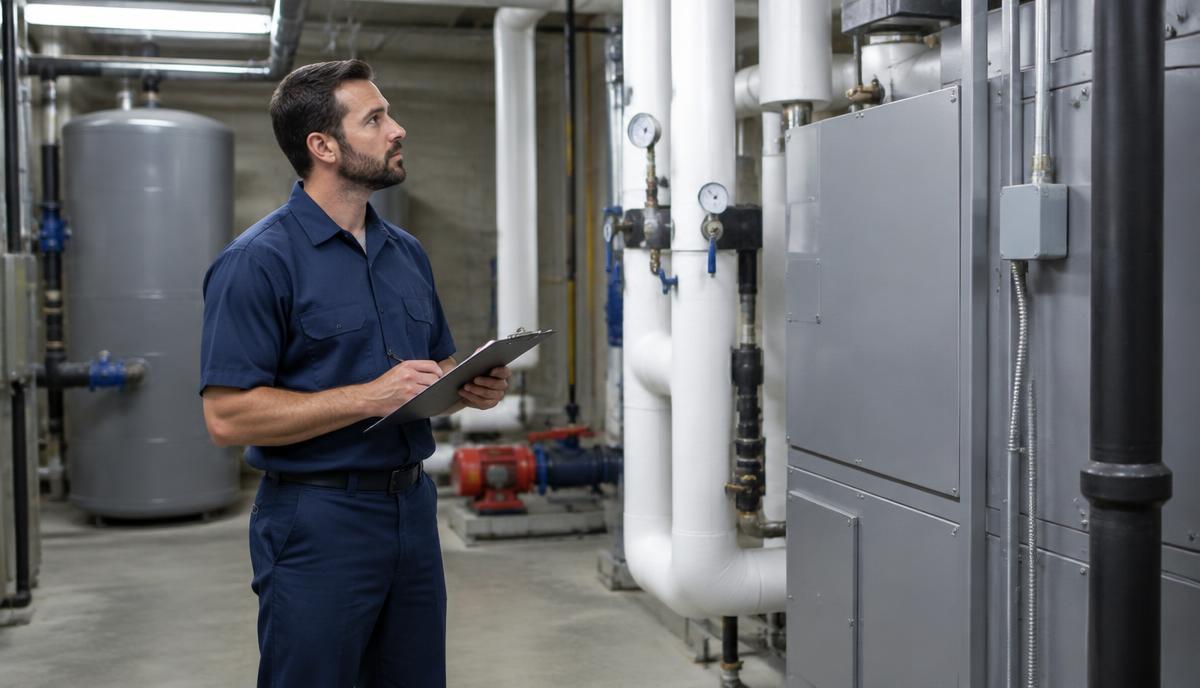
Commercial Property Maintenance
Scheduled preventive maintenance that keeps offices, retail centers and industrial buildings running without surprise breakdowns.
View scope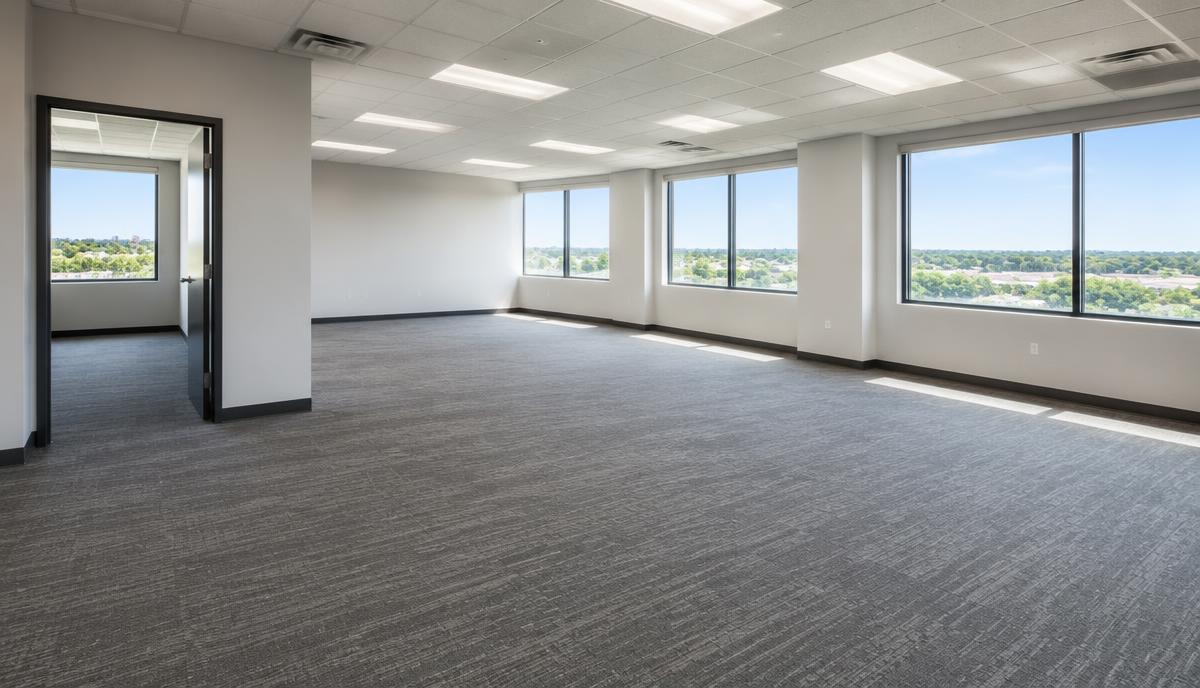
Commercial Property Repair Services
Drywall, doors, plumbing, electrical, water damage and general repairs for commercial buildings — handled fast with minimal tenant disruption.
View scope
Commercial HVAC Repair
Rooftop unit, split system and VRF repair and preventive maintenance to keep tenants comfortable and energy bills under control.
View scopeRequest a quote
Request a commercial roof repair quote
Send the address, asset type and approximate square footage. We reply with scope and fee, usually the same business day.
619-473-2133
Mon–Fri 7:00am–6:00pm