
Maintenance Division · Rooftop units
Commercial HVAC Repair in San Diego, CA
Rooftop unit, split system and VRF repair and preventive maintenance to keep tenants comfortable and energy bills under control.
Rooftop package units do most of the work in San Diego commercial buildings, and they wear out fastest in coastal salt air and inland heat. USCBI diagnoses and repairs RTUs, splits and controls, and sets up maintenance that keeps systems running efficiently.
What's included
- Rooftop package unit (RTU) diagnosis and repair
- Split systems, heat pumps and VRF service
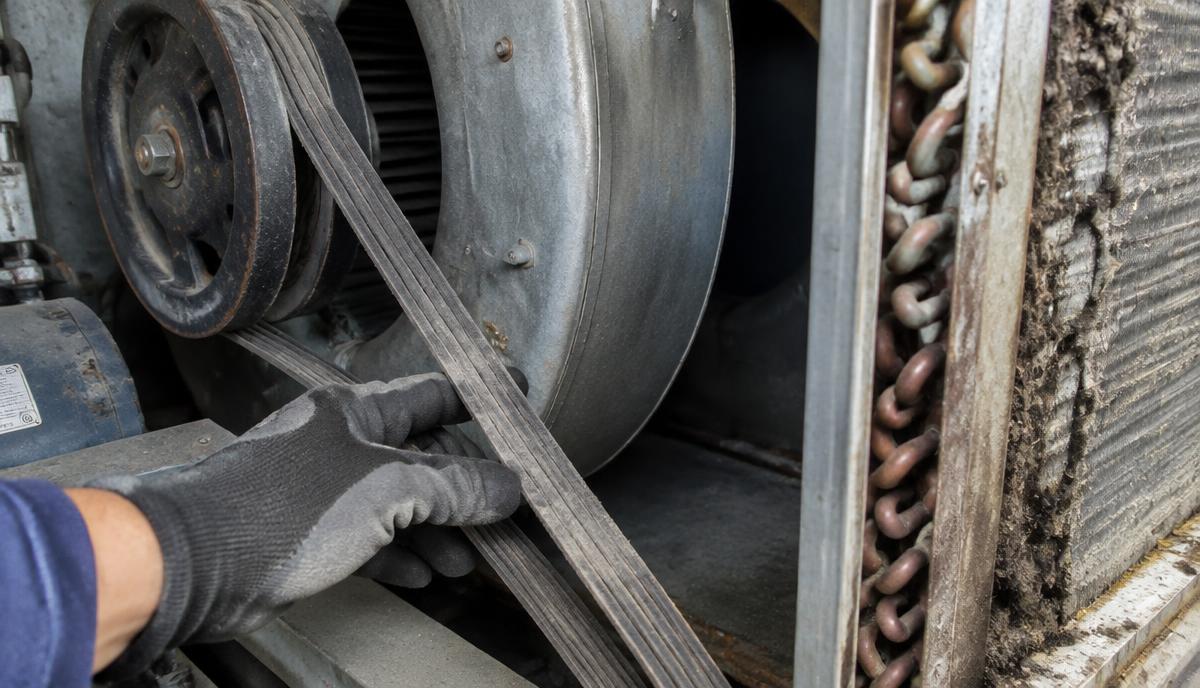
- Filter, belt and coil cleaning programs
- Thermostat and building controls troubleshooting
- Refrigerant leak repair and recharge
- Replacement planning and Title 24 compliant upgrades
Turn comfort complaints into a focused diagnosis
A warm suite does not automatically mean a failed cooling unit. Controls, airflow, operating schedules, and equipment condition can all affect comfort. USCBI begins commercial HVAC repair by gathering the affected locations, timing of complaints, recent changes, and available service history. Your dedicated Service Coordinator organizes access and scheduling; your dedicated Service Manager helps coordinate priorities and the appropriate technical work.
That approach keeps diagnosis connected to how the building is used. A problem confined to one zone needs different investigation from a complete equipment shutdown. Clear symptom information helps direct the visit, while findings guide the proposed repair rather than a guess based only on a thermostat reading. Work involving specialized trades is coordinated around the actual system and scope.
Understand the difference between coastal and inland loads
In Oceanside, Carlsbad, and Encinitas, salt air and marine-layer moisture make exposed HVAC components and corrosion relevant inspection concerns. In Escondido, El Cajon, Santee, and Poway, inland heat can make a loss of cooling especially disruptive during occupied hours. USCBI considers those local conditions alongside equipment condition instead of assuming the same cause at every property.
Seasonal planning also extends beyond summer. During the November–March rainy season, rooftop access, drainage around equipment, and moisture-related observations may influence the service sequence. Coil cleaning and other wet work require appropriate wastewater handling; residues should not simply be directed into roof drains. Site conditions and applicable discharge requirements need consideration before cleaning methods are chosen.
Tip: Record the time, affected zone, thermostat setting, and occupied conditions when a comfort complaint occurs.
Plan HVAC work around commercial occupancy
Office comfort depends on meeting rooms, individual zones, and predictable occupied schedules. Retail systems must support customer areas without ignoring back-of-house concerns. Medical properties may have tenant-specific environmental requirements that need specialist review. Industrial sites can combine office cooling with operational conditions that ordinary comfort HVAC was not designed to address.
USCBI coordinates the repair discussion with your property team so access restrictions, business hours, and sensitive operations are visible early. A repair scope should distinguish general comfort service from process cooling, specialized ventilation, or other requirements that need separate evaluation. That boundary helps owners ask the right questions before approving work.
- Identify the equipment or zones associated with each complaint.
- Confirm thermostat access and rooftop entry arrangements.
- Discuss interruptions that could affect tenants or equipment.
- Review unresolved symptoms after the approved repair is completed.
Connect the repair to ongoing building performance
One local partner can link HVAC findings with other building conditions, including roof access issues, drainage concerns, or recurring tenant complaints. Your USCBI Service Manager oversees coordination and quality control; your Service Coordinator handles the practical follow-through. That continuity helps prevent a repair from ending with an unanswered question about what the occupant is still experiencing.
After the immediate issue is addressed, repeated faults or deteriorating components can inform a broader maintenance or replacement discussion. USCBI can help organize those next steps without treating every repair as a reason to replace equipment. For urgent failures, 24/7/365 local emergency response provides a route to assistance, while safe access, diagnosis, parts availability, and the nature of the fault determine how the repair proceeds. Emergency availability does not eliminate those technical constraints.
Problems we solve
- Hot and cold complaints from tenants
- Rising electric bills
- Units failing during heat waves
Inspected first, maintained right
Our maintenance plans start from the same inspection discipline behind our property condition assessments and commercial roof inspections, so repairs target the real cause.
Commercial HVAC Repair by city
Commercial HVAC Repair FAQs
How often should commercial HVAC be serviced?
At least twice a year — spring for cooling and fall for heating — with filter changes every 1–3 months depending on occupancy and dust.
Do you service all brands?
Yes. We work on the common commercial brands including Carrier, Trane, Lennox, York, Daikin and Mitsubishi.
Why does one suite feel warm while adjacent suites are comfortable?
Different solar exposure, occupancy, airflow, control settings, or zoning conditions can create uneven temperatures. The pattern is useful diagnostic information rather than proof that a unit needs replacement. Tell USCBI which rooms are affected and when the difference is most noticeable so the investigation can focus on the relevant system and controls.
What should we do before repeatedly resetting a tripped HVAC system?
Avoid repeated resets when equipment is tripping or behaving abnormally. Record any displayed fault information and contact USCBI with the symptoms and location. If there is smoke, a burning smell, or an immediate safety concern, follow your emergency procedures and contact emergency services as appropriate rather than attempting equipment troubleshooting.
Can changes in tenant use affect HVAC repair decisions?
Yes. Added occupants, longer operating hours, new equipment, or reconfigured partitions can change conditions even when the HVAC system has not recently changed. Share those details during intake. A repair may address a mechanical fault, but a changed use can also require a separate assessment of capacity, airflow, or controls.
What equipment information should our team keep available?
Keep an equipment list with unit locations, model and serial information where available, associated suites, and recent service records. Rooftop access instructions and thermostat locations are also helpful. Do not climb onto equipment or enter unsafe areas to collect information; existing records can provide a useful starting point.
How should we evaluate comfort after a repair?
Compare the affected spaces during their normal occupied conditions, not only immediately after equipment restarts. Note any remaining temperature differences, unusual sounds, or repeat shutdowns and report them to USCBI. Some symptoms depend on outdoor conditions or schedules, so a clear follow-up description can be more useful than a simple pass-or-fail impression.
Related
Related maintenance services
Commercial Property Maintenance
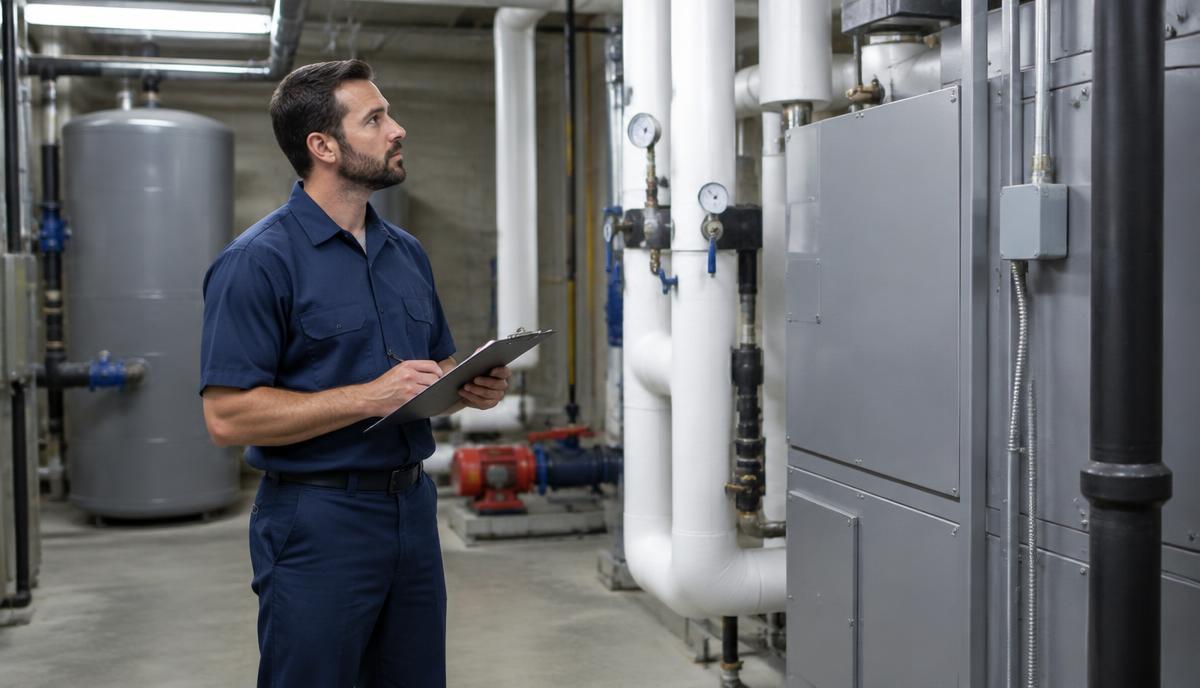
Scheduled preventive maintenance that keeps offices, retail centers and industrial buildings running without surprise breakdowns.
View scope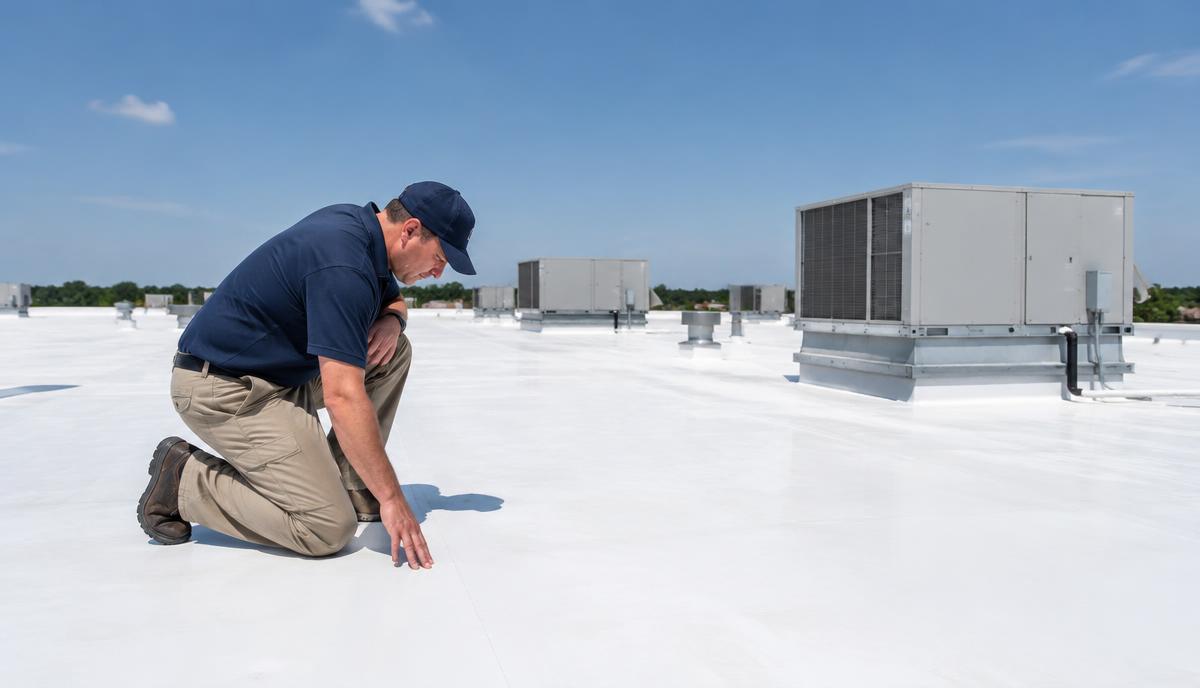
Commercial Roof Repair
Leak repair, flashing, drains and coating for flat and low-slope commercial roofs — TPO, built-up, modified bitumen and foam.
View scope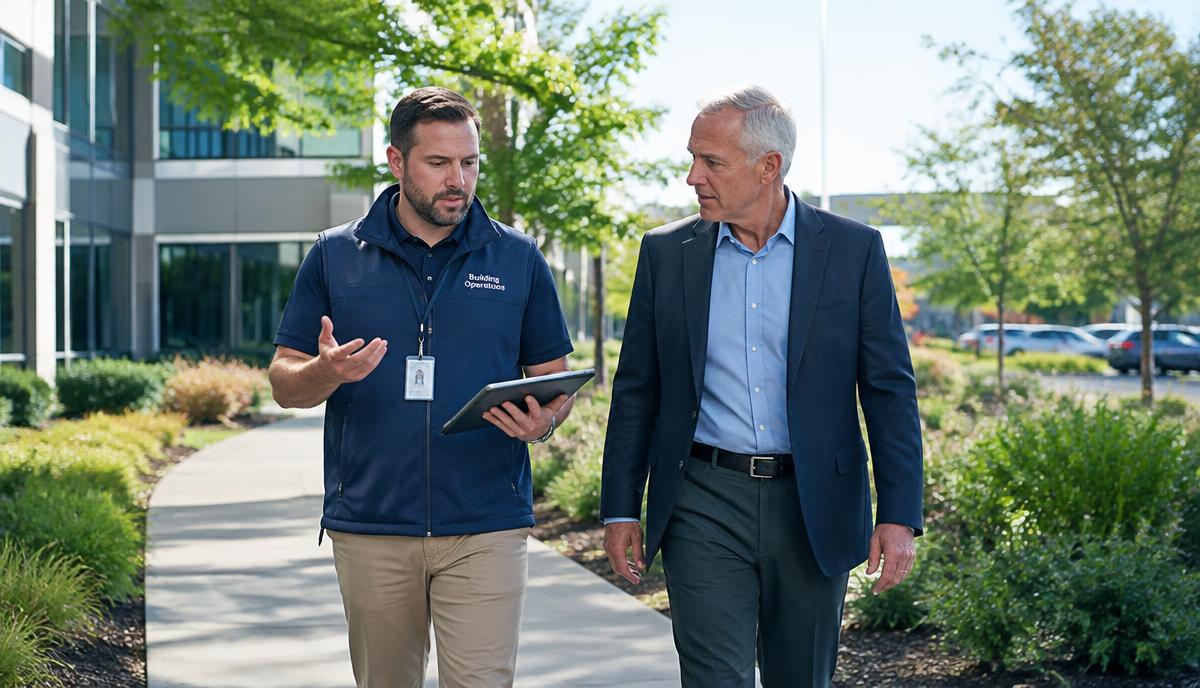
Commercial Building Operations Manager
An outsourced building operations manager who runs vendors, work orders, budgets and inspections for your property.
View scopeRequest a quote
Request a commercial hvac repair quote
Send the address, asset type and approximate square footage. We reply with scope and fee, usually the same business day.
619-473-2133
Mon–Fri 7:00am–6:00pm