
Maintenance Division · Outsourced facilities
Commercial Building Operations Manager in San Diego, CA
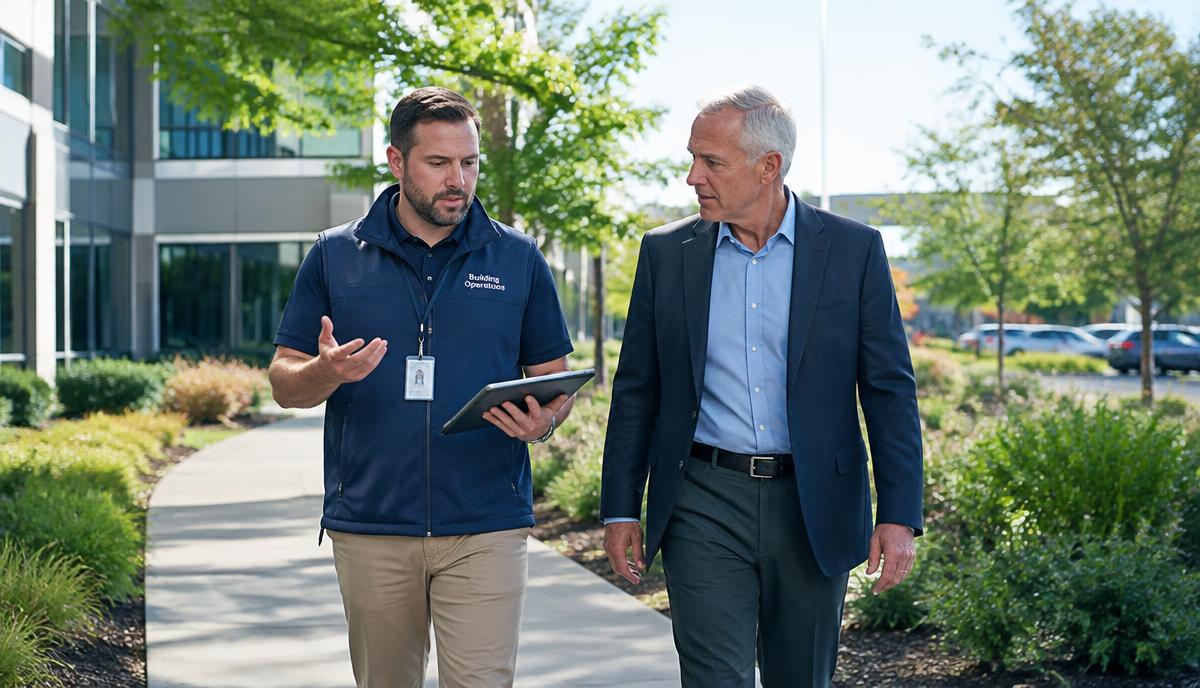
An outsourced building operations manager who runs vendors, work orders, budgets and inspections for your property.
Not every building needs a full-time chief engineer, but every building needs someone in charge. USCBI provides an outsourced operations manager who oversees maintenance, vendors, compliance, budgets and tenant requests — and reports to you in plain language.
What's included
- Vendor management and bid comparisons
- Work order tracking and tenant communication
- Annual operating and capital budget support
- Fire, life-safety and elevator inspection scheduling
- Monthly building condition reports
- Energy use reviews and utility cost savings
Give the physical building a clear operating framework
Commercial building operations become easier to manage when responsibility, approval authority, and follow-up are explicit. USCBI begins by reviewing the property, active work orders, vendor relationships, recurring service needs, and available records. Your dedicated Service Manager helps connect field priorities with the owner's operating goals. Your dedicated Service Coordinator keeps visits, communications, and outstanding actions organized.
This is a working relationship with your property team, not a transfer of every ownership responsibility. Decisions about budgets, lease obligations, and business priorities remain with the appropriate authorized people. USCBI helps translate those decisions into coordinated building activity so maintenance concerns are not left between departments, tenants, and vendors. The result is a clearer route from an observed issue to an approved next step.
Use local conditions to organize the operating calendar
A portfolio-wide calendar needs room for property-level differences. Coastal salt air and marine-layer exposure in Oceanside, Carlsbad, and Encinitas bring different concerns from the inland heat affecting Escondido, El Cajon, Santee, and Poway. USCBI uses site observations and service history to help prioritize building systems, exterior conditions, and seasonal preparation rather than assigning identical tasks everywhere.
Before the November–March rainy season, open drainage and water-entry concerns deserve particular attention. Exterior work also needs coordination around stormwater requirements, including how contractors handle wash water and debris. Operational oversight helps make those questions part of planning instead of discovering them after work starts. Inspection scheduling supports organization, but required technical determinations and compliance approvals remain with the appropriate qualified parties.
Coordinate different buildings without losing their differences
Office buildings generate comfort requests, shared-area issues, and access coordination. Retail centers add storefront presentation and customer movement. Medical properties need communication that respects patient activity and tenant protocols. Industrial sites require attention to loading schedules, service access, and operational restrictions. USCBI organizes priorities around those actual uses, rather than reducing every property to the same work-order queue.
Clear intake and escalation arrangements help distinguish a routine request from a condition that needs prompt attention. Your property team can establish who approves work and who receives notices, while USCBI coordinates the practical service steps. Consistent communication is particularly valuable when several properties share an owner but have different occupants and site contacts.
- Maintain clear property contacts and authorization boundaries.
- Separate unresolved requests from completed and verified work.
- Coordinate vendors whose scopes depend on each other.
- Bring recurring conditions forward for owner review.
Tip: Name a backup decision-maker so urgent building issues do not stall when the primary contact is unavailable.
Replace fragmented handoffs with local accountability
One local partner gives owners a practical link between daily work orders, routine inspections, and longer-term needs. USCBI's Service Manager provides oversight and quality control, while the Service Coordinator supports scheduling and proactive follow-up. That pairing reduces the need for owners to serve as the messenger between every person working at the property.
The operating relationship should make exceptions visible: incomplete work, repeated faults, conflicting recommendations, and decisions awaiting approval. Those details matter more than a long list of visits with no clear outcome. USCBI also provides 24/7/365 local emergency response when an urgent condition interrupts normal operations. After the immediate incident, the same relationship can connect follow-up repairs and preventive actions, helping the owner avoid losing the thread once the building returns to its usual routine.
Problems we solve
- Owners and property managers stretched too thin
- No single person accountable for the building
- Missed inspections and surprise compliance issues
Inspected first, maintained right
Our maintenance plans start from the same inspection discipline behind our property condition assessments and commercial roof inspections, so repairs target the real cause.
Commercial Building Operations Manager by city
Commercial Building Operations Manager FAQs
What does a building operations manager do?
They run the physical side of a property: maintenance, vendors, inspections, budgets and tenant service requests, so owners and property managers can focus on leasing and finances.
Is this full-time or part-time?
Either. Many San Diego owners use a part-time operations manager a few days a week, scaling up for larger or multi-building portfolios.
How does USCBI work with an existing property manager?
USCBI supports the physical operation of the building while the property manager retains the responsibilities assigned by the owner. At onboarding, define communication channels, spending authority, tenant contact rules, and reporting expectations. Clear boundaries let USCBI coordinate maintenance activity without creating uncertainty about leasing, financial decisions, or other property management functions.
What records are useful when transitioning from another provider?
Collect open work orders, vendor contacts, service agreements, equipment information, inspection schedules, access instructions, and unresolved findings. Identify anything that may be incomplete rather than assuming the records are current. USCBI can use the available information to organize priorities and flag gaps that need confirmation during the transition.
Can we retain specialty vendors already working at the property?
Existing vendor relationships can be included in the operating discussion. Share their scopes, scheduling arrangements, and owner requirements so responsibilities can be coordinated. The important point is to establish who gives direction, who approves additional work, and how completion information reaches the property team, rather than assuming every vendor follows the same process.
How should urgent spending authority be defined?
Owners should identify authorized contacts, escalation paths, and any limits or instructions that apply when an incident occurs. USCBI can coordinate service around those directions, but unclear authority can delay decisions. Review the arrangement when ownership contacts change and distinguish immediate protective actions from approval of a broader permanent repair.
What makes an operations review useful to ownership?
A useful review separates completed work, unresolved conditions, decisions needed, and upcoming priorities. It should also explain recurring problems and dependencies rather than simply listing visits. Agreeing on those categories with USCBI helps ownership focus attention on the choices that affect building condition, tenant operations, and future planning.
Related
Related maintenance services
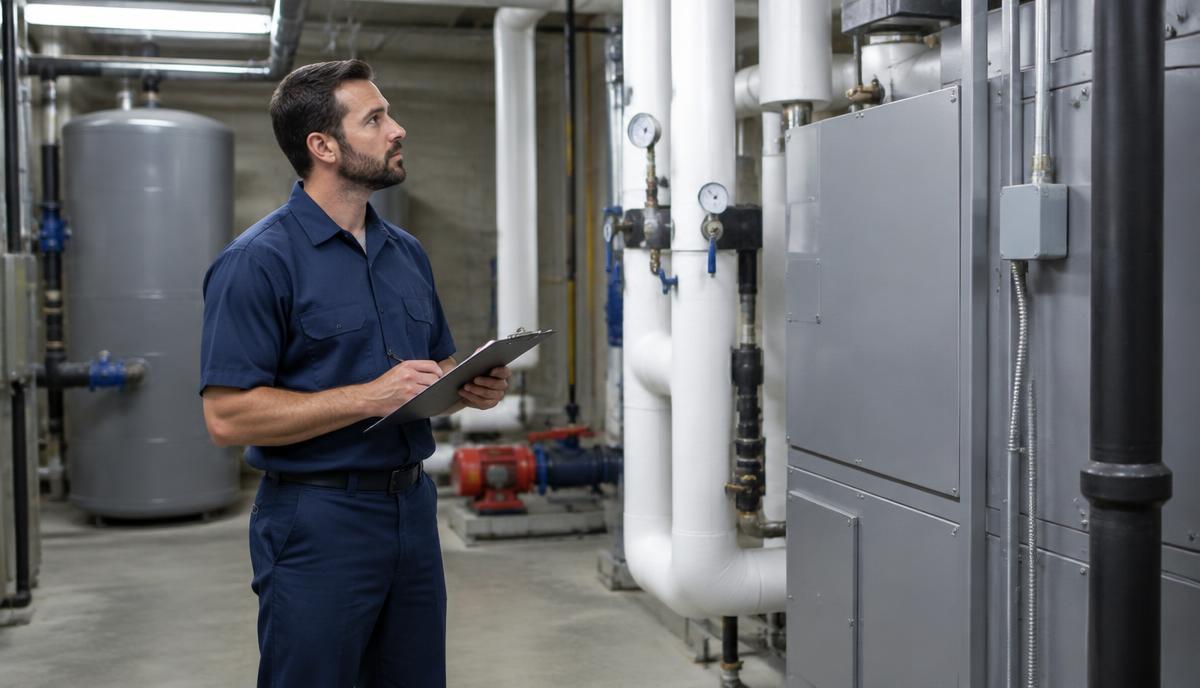
Commercial Property Maintenance
Scheduled preventive maintenance that keeps offices, retail centers and industrial buildings running without surprise breakdowns.
View scope
Commercial HVAC Repair
Rooftop unit, split system and VRF repair and preventive maintenance to keep tenants comfortable and energy bills under control.
View scope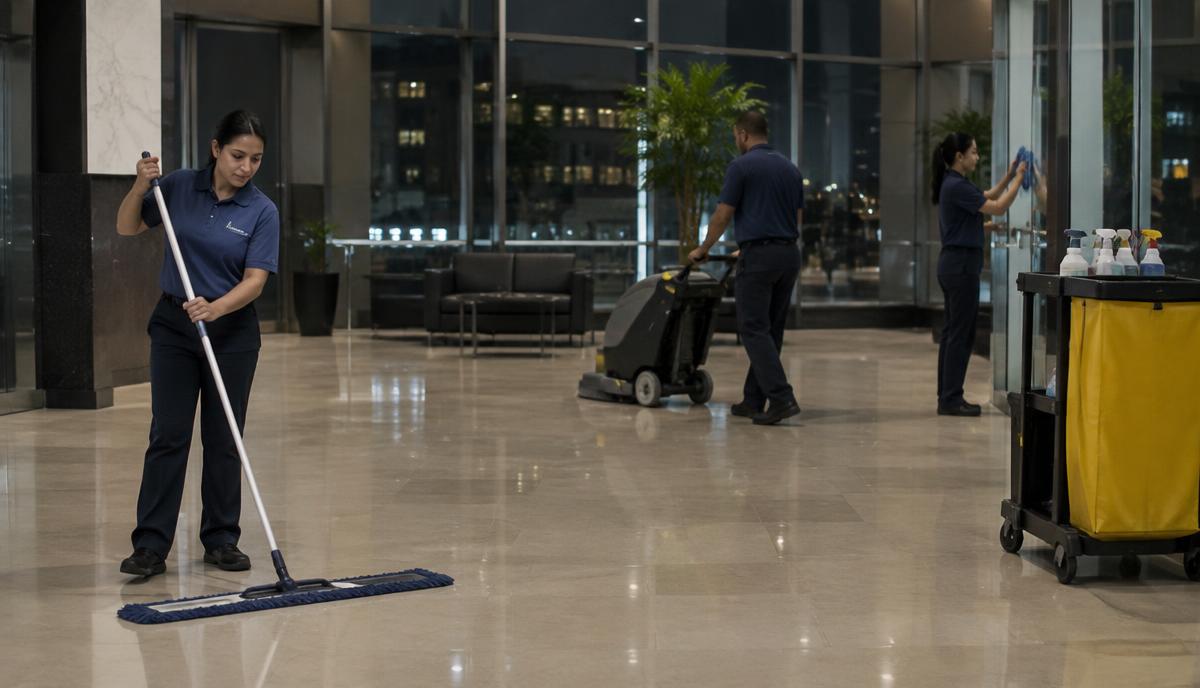
Commercial Building Cleaning Service
Nightly janitorial, day porter, pressure washing and window cleaning for offices, medical buildings, retail and industrial sites.
View scopeRequest a quote
Request a commercial building operations manager quote
Send the address, asset type and approximate square footage. We reply with scope and fee, usually the same business day.
619-473-2133
Mon–Fri 7:00am–6:00pm