
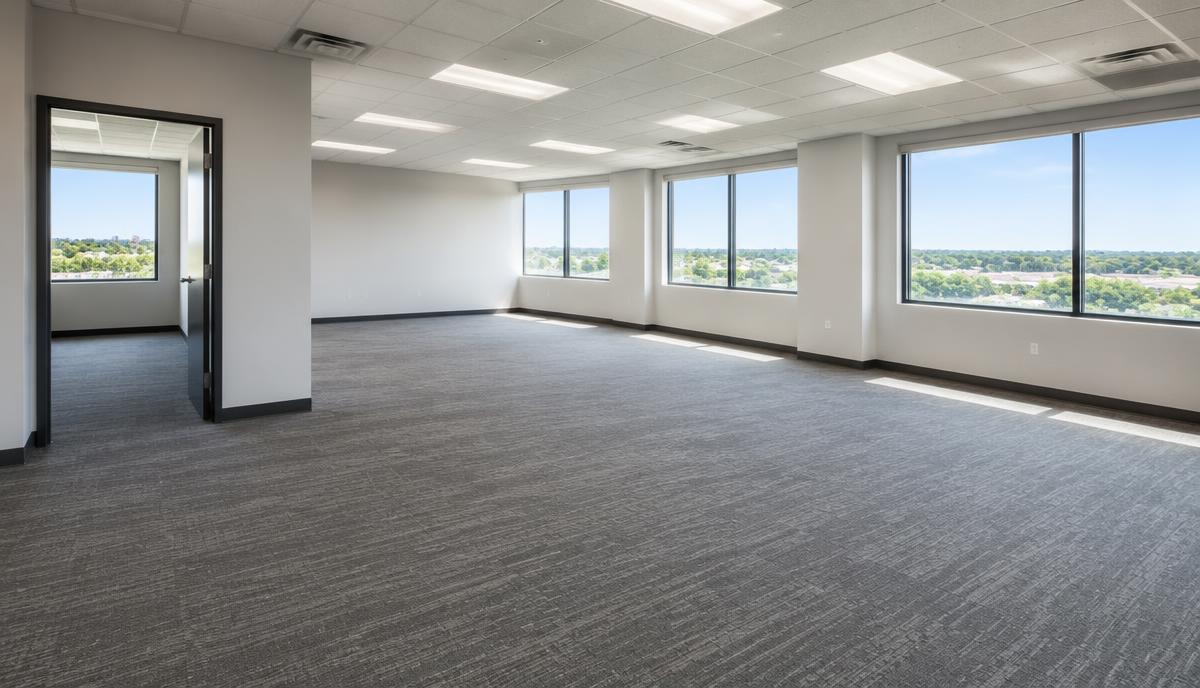
Define what ready means before work begins
A commercial tenant make-ready checklist should establish a documented handoff condition, not simply a list of cosmetic improvements. Review the lease, surrender requirements and the incoming tenant’s agreement before deciding who pays for repairs or alterations. Returning a suite to market-ready condition is different from delivering a permitted tenant improvement project.
Walk the space with the relevant decision-makers and photograph existing conditions before removing materials. Record abandoned items, damaged finishes and equipment that may belong to the outgoing tenant. Confirm authority before disposing of anything. For an office in La Mesa or a retail suite in National City, clear scope and access decisions are often as important to a smooth turnover as the physical repair work.
Create a condition record and responsibility matrix
Divide the inspection into finishes, building systems, access and safety, and final presentation. Identify what the landlord maintains, what the outgoing tenant must address and what belongs in the new tenant’s improvement scope. Unresolved responsibilities should be escalated before crews begin so a disputed item does not stop work halfway through.
Use room names or suite plan references in photographs and punch lists. A note saying “repair wall” is not enough to price or verify work. Describe the location, damage and intended finish. Track decisions separately from completed tasks so approval delays are visible rather than mistaken for contractor inaction.
- Confirm keys, access credentials and authorized entry arrangements.
- Record meter or equipment information where relevant to the handoff.
- Flag suspected hazardous materials for assessment before disturbance.
Tip: Key takeaway: Agree on the handoff condition and responsibility for each item before approving the turnover schedule.
Sequence messy repairs before finish work
Investigate stains, damaged drywall and lifting flooring before covering them. A ceiling tile replacement will not solve an active roof or condensate leak, and paint will not correct a moisture problem behind the wall. Resolve the cause first, document the repair, then restore finishes after conditions are suitable.
Plan demolition, patching and overhead work before new flooring and detailed cleaning. Protect retained finishes and common areas used for deliveries. In older spaces, assess materials and regulatory requirements before disturbing suspect flooring, mastics or wall assemblies. Where work changes layout, use or building systems, confirm whether permits and professional design are required rather than calling every change a minor repair.
- Approve paint locations, colors and sheen before ordering.
- Match ceiling tile type and check grid condition.
- Inspect floor transitions and damaged edges along tenant routes.
Test systems for the next occupancy
Have qualified providers assess HVAC operation, controls and visible service needs. Confirm which units serve the suite and whether their schedules match the planned occupancy. Inland spaces in San Marcos, Santee and El Cajon may reveal cooling limitations during hot weather that are less apparent on a mild inspection day. Avoid promising future comfort based on a brief startup alone.
Run plumbing fixtures and check for visible leakage, drainage problems and damaged fittings. Arrange appropriate electrical checks for reported faults or planned use changes; do not assume existing circuits support the incoming tenant’s equipment. Verify that work affecting fire protection or other regulated systems is reviewed by the appropriate specialists. Record unresolved conditions and required follow-up before declaring systems ready.
Check doors, access routes and exterior interfaces
Test entry doors, closers, locks and authorized access controls. Coordinate credential changes with ownership and the incoming tenant, keeping required emergency access arrangements intact. Have qualified personnel address issues affecting rated doors, egress or accessibility. A make-ready inspection can flag concerns, but it does not substitute for an applicable compliance review.
Inspect storefront seals, visible exterior openings and signs of water entry. Coastal suites in Encinitas and Oceanside can show salt-related deterioration at exposed hardware. Across San Diego County, November–March rains can expose failed seals and drainage problems near entrances. If turnover happens before the wet season, include exterior observations in the scope instead of limiting attention to freshly painted interiors.
- Keep common paths clear during deliveries and repair work.
- Confirm who is responsible for signage removal and facade restoration.
Finish with cleaning that matches the completed work
Schedule final cleaning after dusty repairs, painting and major vendor visits. Remove construction residue from accessible surfaces and clean restrooms, glazing and flooring using products suited to the materials. Protect newly finished surfaces while they cure. A rushed cleaning visit before trades finish often leads to duplicated work and an uneven presentation.
Include details visible during a tour: corners, door frames, light lenses where safely accessible, cabinet interiors and window tracks. Distinguish routine surface cleaning from specialist duct cleaning or remediation; those require their own assessment and scope. Walk the suite in normal lighting after cleaning, and check for residual odors without using fragrance to conceal a condition that still needs investigation.
Tip: Key takeaway: Complete source repairs and dusty work before final cleaning so the handoff reflects finished conditions, not temporary presentation.
Close the punch list with evidence
Hold a final walkthrough against the original scope, not just the latest contractor invoice. Test repaired items and photograph completed conditions. Separate items that prevent occupancy or use from minor agreed follow-up work, and identify who has authority to accept the handoff. Do not label a space ready when required approvals or critical repairs remain outstanding.
Prepare a concise turnover package with relevant service records, operating instructions, access information and remaining commitments. Give the incoming tenant a clear way to report early issues, including who handles landlord-maintained systems. Document any approved exceptions in writing so expectations do not depend on a verbal conversation during a busy move-in.
- Assign every punch-list item an owner and agreed next step.
- Confirm required inspections and approvals where applicable.
- Record the accepted handoff condition and unresolved exceptions.
Tip: Key takeaway: A documented handoff protects continuity between outgoing repairs, incoming occupancy and ongoing maintenance.
How USCBI helps coordinate a commercial make-ready
U.S. Commercial Building Inspections and Maintenance supports commercial-only properties throughout San Diego County, bringing repair and maintenance coordination together through one local partner. Each client has a dedicated Service Manager and Service Coordinator to help keep scope decisions, access and follow-up organized. Routine inspections and quality control support a handoff based on completed work rather than assumptions.
USCBI also offers 24/7/365 emergency response for urgent building issues that arise outside the turnover schedule. If you have a vacancy approaching, request a walkthrough to review the suite, lease responsibilities and proposed occupancy date. The goal is a practical make-ready plan with clear sequencing and visible open items, not an unsupported promise that every suite can be turned in the same number of days.
Frequently asked questions
How long does a commercial make-ready take?
Timing depends on condition, approvals, materials, access and the extent of systems work. Cosmetic repairs in an empty suite have different dependencies from work involving moisture damage or a change in use. Establish the scope during a walkthrough, identify long-lead decisions and distinguish a target schedule from milestones that depend on inspections or outside approvals.
Is make-ready the same as tenant improvement work?
No. Make-ready generally restores an agreed handoff condition, while tenant improvements adapt a space to the incoming occupant’s needs. The boundary depends on the lease and project scope. Layout changes, equipment additions and system modifications may require design, permits or specialist work. Clarify responsibility before combining both categories into one turnover budget.
Should stained ceiling tiles simply be replaced?
Investigate the stain first. It may reflect a roof leak, plumbing leak or HVAC condensate problem, and the source may not be directly above the visible mark. Once the cause is corrected and affected materials are appropriately assessed, finishes can be restored. Replacing tiles alone can hide evidence without addressing the underlying condition.
What should be included in the final tenant handoff?
Include the accepted condition record, relevant maintenance information, access arrangements and contacts for reporting landlord-responsibility issues. Document agreed exceptions and any scheduled follow-up. Where the scope requires inspections or approvals, confirm their status before occupancy decisions. The package should make it clear what was completed, what remains open and who is responsible for each next step.
About the author

Maurice Bedard
Chief Inspector & Owner · CCPI, CMI, CMR
Maurice Bedard is the chief inspector and owner of U.S. Commercial Building Inspections and Maintenance, a Certified Commercial Property Inspector with more than 25 years in commercial real estate, construction, restoration and remediation across Southern California. He has personally inspected office, retail, industrial, multifamily and institutional buildings for buyers, owners, brokers and lenders throughout San Diego, Orange, Los Angeles, Riverside and San Bernardino Counties.
Written and reviewed by Maurice Bedard
More about our inspectors · Questions about your building? Call 619-473-2133.