
Quick answer: The problems commercial inspectors find most often are roof deficiencies and hidden moisture, end-of-life HVAC, electrical concerns, plumbing and drain failures, envelope leaks, accessibility gaps, life safety issues, unpermitted alterations, structural distress and failing paving. The biggest financial risk is when several major systems come due at once, which is one reason some owners decide to sell.
After years of inspecting offices, retail centers, industrial buildings, restaurants and multifamily properties across Southern California, the same issues show up again and again. Knowing them in advance helps buyers focus due diligence, helps owners plan, and helps everyone avoid a surprise bill in year one of ownership.
The 10 most common findings
1. Roof deficiencies and hidden moisture
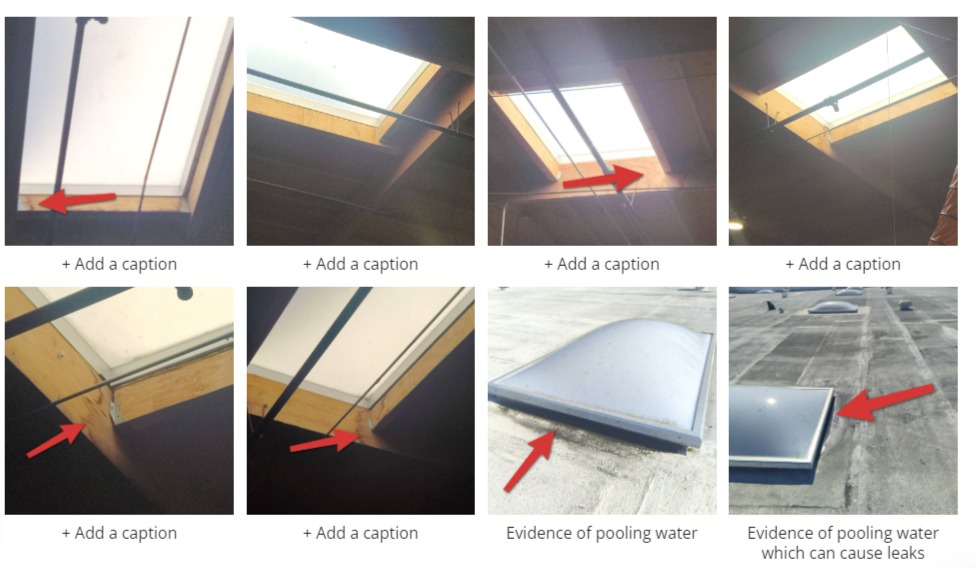
Low-slope roofs on Southern California commercial buildings commonly show ponding water, split seams, failed flashing at curbs and parapets, clogged drains and wet insulation under a surface that looks fine. Wet insulation loses value and shortens roof life. Our roof thermal imaging and moisture mapping locates it before you buy.
2. HVAC equipment at end of life
Rooftop package units installed in the same year tend to fail in the same window. We often find units past their expected life, corroded coils, missing maintenance records and older refrigerant equipment that is expensive to service.
3. Electrical distribution concerns
Aging panels and switchgear, missing labels, double taps, improper modifications and overheating connections are frequent findings. Infrared scanning can reveal hot spots invisible to the eye.
4. Plumbing and drain line problems
Older cast iron and clay waste lines crack, sag and collect roots. Restaurant spaces add grease interceptor issues. Water heaters near end of life and active leaks are routine findings.
5. Building envelope and water intrusion
Failed sealants, cracked stucco, window and storefront leaks and deteriorated flashing let water into walls, where it causes rot, corrosion and mold.
6. Accessibility deficiencies
Parking stall slopes, missing accessible signage, path-of-travel barriers and restroom clearances are common, and in California they carry litigation exposure.
7. Life safety and fire protection gaps
Overdue sprinkler and alarm certifications, blocked exits, missing emergency lighting, painted or obstructed sprinkler heads and fire-rated assemblies breached by later work.
8. Unpermitted alterations
Mezzanines, demising walls, added restrooms and electrical work installed without permits. They may need to be legalized or removed before financing or a change of use.
9. Structural and foundation distress
Slab cracking, differential settlement, corroded steel, damaged wood framing and tilt-up connection issues. Significant findings are referred to a structural engineer.
10. Paving and site drainage failure
Alligator cracking, potholes, trip hazards and poor drainage toward buildings. Paving is a recurring reserve item that sellers often defer.
The capital expense cliff: why some owners sell
Here is a pattern every commercial buyer should understand. Major building systems are often installed at the same time, during original construction or a single renovation. That means they also wear out at about the same time. A roof, a set of rooftop HVAC units and the parking lot can all reach the end of their useful life within a few years of each other.
Consider a simple illustrative example. A 30,000 square foot retail building has a roof nearing replacement and eight rooftop units of the same age. The owner gets bids and realizes the combined cost is in the hundreds of thousands of dollars. The property has thin reserves, the loan is maturing and tenants will not absorb the cost. The owner has three choices: borrow, raise capital from partners, or sell.
Selling is often the easiest path. Not every seller is acting in bad faith; many simply do not have the funds. But the economics are the same either way: if the buyer does not identify those upcoming costs, the buyer pays them, on top of the purchase price.
Warning signs of a pre-replacement sale
- Fresh roof coating or patches with no replacement records or warranty.
- New ceiling tiles in scattered locations, which can hide recent leaks.
- HVAC units of the same age with no service records.
- Recent paint on exterior walls, parking stripes or interior surfaces in otherwise tired buildings.
- Reluctance to provide maintenance records, permits or roof access.
- Offering memorandums that describe systems as "well maintained" without dates.
How inspection protects you
A thorough inspection walks the entire roof, checks every unit's data plate for age, reviews permits and maintenance history and uses diagnostics such as infrared to see beyond cosmetic fixes. A property condition assessment then turns those findings into a cost table and replacement schedule, so the cliff shows up as a number on paper instead of a surprise after closing. That number becomes leverage for a price reduction, a seller credit or a repair escrow.
How to prioritize findings
| Priority | Examples | Action |
|---|---|---|
| Immediate | Active leaks, electrical hazards, life safety deficiencies | Negotiate repair or credit before closing |
| Short term (1–2 years) | End-of-life HVAC, failing roof sections, drain line repairs | Price into offer or escrow |
| Long term (3–10+ years) | Roof replacement, paving, major equipment | Budget in reserves and hold plan |
What these problems typically cost to ignore
Every finding above starts small. A clogged roof drain becomes ponding, then a membrane failure, then wet insulation, then ceiling damage and tenant claims. An overheating electrical connection becomes a failed breaker, then a fire risk. Deferred maintenance compounds, which is why buyers should look past the current condition and ask how long each system has left. The difference between a repair now and a replacement later is often a factor of ten or more.
Property-type patterns
- Retail centers: roof leaks at tenant-added equipment curbs, accessibility at parking, aging package units.
- Industrial: large roofs with wet insulation, dock equipment wear, slab cracks, fire sprinkler design questions after a change in storage use.
- Office: HVAC central plant age, elevator modernization, window and curtain wall leaks.
- Restaurants: grease interceptors, kitchen exhaust and roof damage around hoods, drain lines.
- Multifamily: water heaters, balconies and decks, plumbing leaks, roof sections and paving.
Questions to ask the seller
- When were the roof and each HVAC unit last replaced, and by whom?
- Are there warranties, and are they transferable?
- Have there been leaks, insurance claims or tenant complaints in the last five years?
- Were any improvements made without permits?
- Are there bids for upcoming capital work? If so, why was the work not done?
That last question is often the most revealing. A seller who has collected roof replacement bids and then listed the property is telling you something important about the next owner's first-year budget.
Frequently asked questions
What is the most common problem in commercial inspections?
Roof deficiencies are the most frequent major finding we report: ponding, failed seams and flashing, deteriorated coatings and wet insulation, followed closely by aging HVAC equipment.
Why do some owners sell before big repairs?
When a roof and multiple HVAC units reach end of life together, the owner may face a six-figure capital bill without reserves. Selling transfers that cost to the next buyer unless an inspection exposes it.
Can a seller hide deferred maintenance?
Cosmetic work like fresh paint, roof patches and new ceiling tiles can mask problems. Thermal imaging, roof walks and document review help reveal what cosmetics hide.
How do I use findings to negotiate?
Convert findings into cost estimates, then request a price reduction, seller credit, completed repairs or an escrow holdback before contingencies expire.
Are unpermitted improvements a big deal?
They can be. Unpermitted work may need to be legalized or removed, can affect insurance and financing, and can create safety risks.
Want a roof-specific evaluation first? See our commercial roof inspections, or learn about full-scope commercial property inspections in San Diego.
Get a scope and proposal
U.S. Commercial Building Inspections serves San Diego, Orange, Los Angeles, Riverside and San Bernardino counties. Call 619-473-2133 or request a quote and we will reply the same or next business day with a scope and proposal.
About the author

Maurice Bedard
Chief Inspector & Owner · CCPI, CMI, CMR
Maurice Bedard is the chief inspector and owner of U.S. Commercial Building Inspections, a Certified Commercial Property Inspector with more than 25 years in commercial real estate, construction, restoration and remediation across Southern California. He has personally inspected office, retail, industrial, multifamily and institutional buildings for buyers, owners, brokers and lenders throughout San Diego, Orange, Los Angeles, Riverside and San Bernardino Counties.
Written and reviewed by Maurice Bedard · Published September 29, 2026 · Updated September 29, 2026
More about our inspectors · Questions about your building? Call 619-473-2133.