
Maintenance Division · Junk & debris
Commercial Hauling & Trash Services in San Diego, CA
Bulk debris hauling, tenant move-out cleanouts, pallet removal, overflowing dumpster cleanup and illegal dumping removal.
Abandoned furniture, construction debris, pallets and overflowing bins make a property look neglected and can draw code complaints. USCBI hauls it away quickly, recycles and donates where possible, and leaves the area swept and clean.
What's included
- Tenant move-out and suite cleanouts
- Furniture, fixtures and e-waste removal
- Construction and renovation debris hauling
- Pallet and cardboard removal
- Overflowing dumpster and enclosure cleanup
- Illegal dumping and encampment debris removal
Define what leaves before the cleanout begins
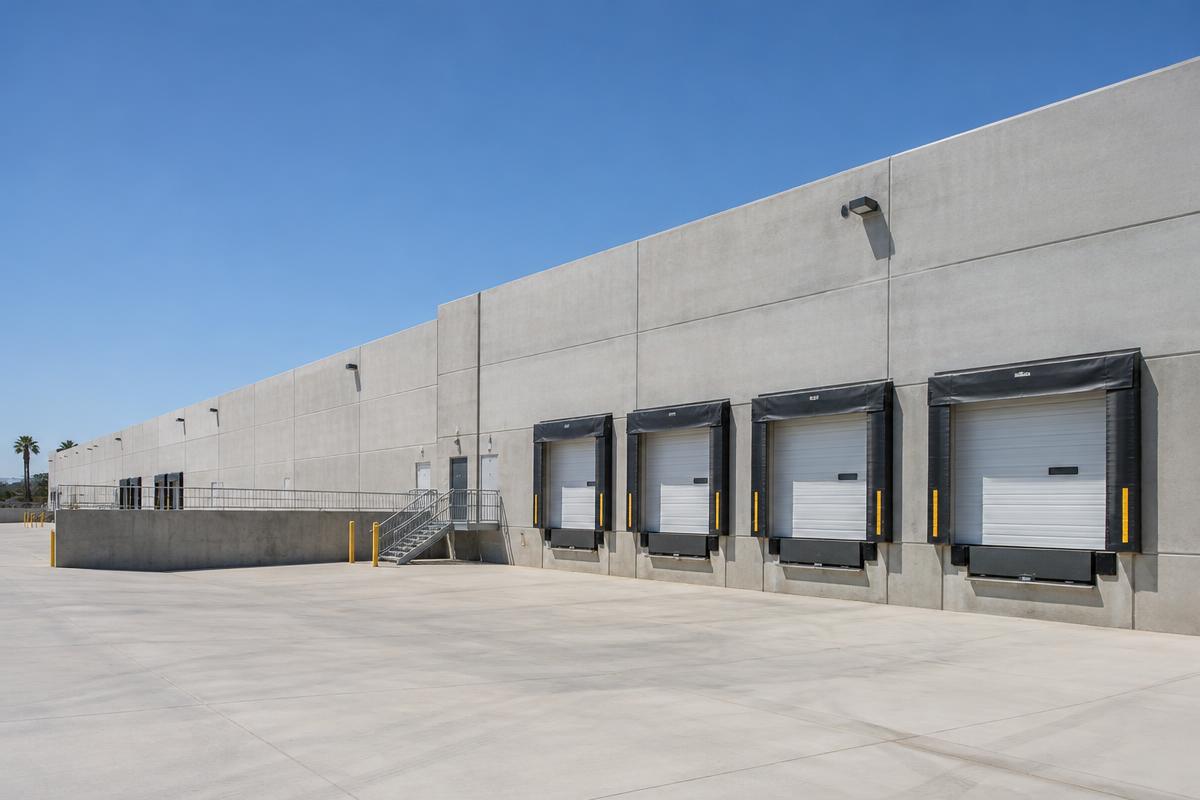
Commercial hauling starts with clear authorization. USCBI reviews the items, their location, the removal route and the condition expected afterward. A vacant suite full of furniture needs a different plan from pallets beside an active loading dock or abandoned material behind a shopping center. Identifying ownership and restricted materials early helps prevent avoidable delays.
Your dedicated Service Manager oversees the agreed scope and completion standard. Your dedicated Service Coordinator organizes access, pickup timing and communication with property contacts. Together, they keep removal work connected to the property schedule, including tenant turnover, inspections and any repairs that cannot begin until the space is cleared.
- Separate approved removal items from property that must remain.
- Identify stairs, elevators, loading restrictions and vehicle access.
- Flag electronics, unknown containers and potentially regulated materials.
Plan around San Diego's weather and site conditions
Outdoor debris creates different problems across the county. Marine-layer moisture and coastal salt air in Oceanside, Carlsbad and Encinitas can leave stored materials damp and metal items deteriorating. Inland heat in Escondido, El Cajon, Santee and Poway makes overflowing waste areas particularly unpleasant for tenants and visitors. The removal plan should reflect the actual contents and exposure.
Before the November–March rainy season, loose cardboard, litter and abandoned materials deserve attention near inlets and drainage paths. Hauling reduces material available to scatter or wash away, but it does not replace drain maintenance. USCBI can flag remaining drainage concerns and coordinate a separate cleanup or repair scope when needed.
Clear commercial spaces without confusing the boundaries
Office move-outs may involve desks, partitions and electronics. Retail turnovers can leave shelving and display fixtures, while warehouses accumulate pallets, packaging and obsolete furnishings. Medical-office cleanouts need particular care to distinguish ordinary furnishings from clinical waste, sharps, medications or records that require the practice's own authorized handling arrangements.
USCBI scopes hauling around those distinctions rather than assuming every item belongs in one load. Recycling or donation can be considered where practical, based on material condition and available acceptance options. After removal, the agreed cleanup standard matters: a swept space is not the same as a repaired suite, sanitized room or grease-free dumpster pad.
Tip: Mark retained items and obtain any required tenant or ownership approvals before the removal date.
One partner from debris removal to the next task
Hauling often exposes the next maintenance issue: damaged drywall behind abandoned furniture, broken enclosure gates or stained pavement beneath overflow. USCBI gives managers one local partner to connect removal with follow-on repairs, exterior care or power washing. That continuity reduces the need to explain the same site conditions to several unrelated vendors.
Routine inspections and proactive follow-up can also identify recurring dumping locations or storage practices that keep generating cleanup requests. Your Service Manager reviews the completed scope, while your Service Coordinator helps organize approved next steps. USCBI provides 24/7/365 local emergency response for urgent property conditions, although hazardous or uncertain materials require assessment rather than an assumption of immediate removal.
Problems we solve
- Vacant suites full of left-behind junk
- Overflowing dumpsters and code complaints
- Illegal dumping on the property
Inspected first, maintained right
Our maintenance plans start from the same inspection discipline behind our property condition assessments and commercial roof inspections, so repairs target the real cause.
Commercial Hauling & Trash Services by city
Commercial Hauling & Trash Services FAQs
Do you haul away furniture from vacant office suites?
Yes. We clear desks, cubicles, chairs, files and e-waste, recycling or donating usable items when possible.
Can you set up recurring debris pickups?
Yes. Many properties schedule weekly or monthly hauling for pallets, bulk items and enclosure cleanup.
How do we keep retained equipment from being hauled away?
Create a clear removal list and mark items that must stay before the visit. A designated property representative should resolve ambiguous items, particularly in shared storage rooms or partially occupied suites. USCBI can use the agreed scope to guide removal, but ownership and disposal authorization should come from the appropriate client contact.
What if crews encounter unlabeled drums or suspicious materials?
Those items should be identified before ordinary hauling proceeds around them. Unknown liquids, chemicals, sharps and other potentially hazardous materials may need a separate handling provider or disposal process. Notify USCBI during scoping whenever possible so the removal plan does not depend on treating uncertain materials as routine commercial debris.
Can a cleanout be divided into several stages?
A staged scope can make sense when tenants are still moving, elevators have restricted hours or the property needs to retain access to part of a suite. USCBI can organize agreed phases around those constraints. Clearly separating each phase's items and completion criteria helps prevent repeated handling and confusion.
Does hauling include destruction of confidential records?
Do not assume that ordinary hauling includes secure document destruction. Files, storage devices and other confidential materials should be identified and kept separate until the owner confirms an appropriate destruction process. USCBI can account for those exclusions in the cleanout scope so sensitive material is not mixed with general debris.
What can property managers do about repeat illegal dumping?
Removal addresses the immediate accumulation, but recurring incidents deserve a site review. Useful observations include access patterns, enclosure condition, lighting and where dumped items collect. USCBI can connect cleanup findings with maintenance recommendations; any security changes, notices or enforcement decisions remain subject to the property's policies and applicable requirements.
Related
Related maintenance services

Commercial Property Repair Services
Drywall, doors, plumbing, electrical, water damage and general repairs for commercial buildings — handled fast with minimal tenant disruption.
View scope
Commercial Power Washing Services
High-pressure hot-water washing for parking garages, dumpster pads, loading docks, walkways and oil-stained concrete.
View scopeCommercial Warehouse Maintenance Services
Roll-up doors, dock levelers, high-bay lighting, roofs and HVAC for warehouses, distribution and tilt-up industrial buildings.
View scopeRequest a quote
Request a commercial hauling & trash services quote
Send the address, asset type and approximate square footage. We reply with scope and fee, usually the same business day.
619-473-2133
Mon–Fri 7:00am–6:00pm