Maintenance Division · Industrial & tilt-up
Commercial Warehouse Maintenance Services in San Diego, CA
Roll-up doors, dock levelers, high-bay lighting, roofs and HVAC for warehouses, distribution and tilt-up industrial buildings.
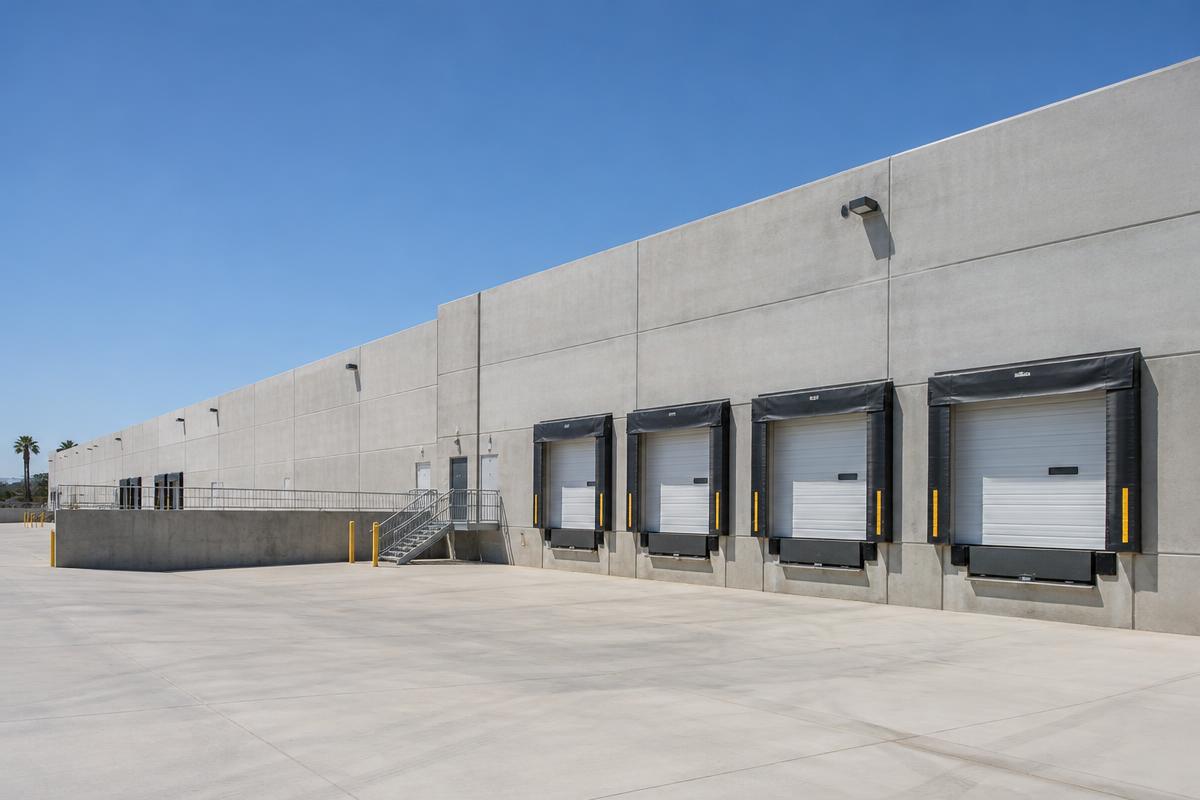
Warehouses run on doors, docks, lights and roofs. USCBI maintains tilt-up and industrial buildings — roll-up doors, dock levelers, high-bay LED lighting, large low-slope roofs and rooftop units — to prevent the downtime that stops shipping.
What's included
- Roll-up and sectional door repair
- Dock leveler and dock seal maintenance
- High-bay LED lighting repair and retrofits
- Low-slope roof, drain and skylight upkeep
- Floor joint caulking and striping
- Rooftop unit and exhaust fan service
Build maintenance around shipping and receiving
Warehouse maintenance begins with understanding how the facility moves goods. USCBI reviews loading activity, door use, traffic routes and the areas where a failure would interrupt operations. A dock problem at the busiest bay deserves a different response plan from a cosmetic issue in an unused corner of the building.
Your dedicated Service Manager oversees the maintenance scope and quality expectations. Your dedicated Service Coordinator organizes access with the facility contact, including delivery windows and restricted work zones. This structure keeps building repairs connected to operating needs without asking warehouse staff to coordinate every outside trade while also managing inventory and outbound loads.
- Identify critical doors, docks and shared access routes.
- Separate pedestrian areas from vehicle and equipment movements.
- Confirm shutdown needs before work affects an active operating zone.
Prepare industrial buildings for local exposure
Coastal warehouses in Oceanside, Carlsbad and Encinitas face salt air and marine-layer moisture around exposed metal, rooftop components and exterior openings. Inland facilities in Escondido, El Cajon, Santee and Poway contend with stronger heat that can intensify rooftop equipment demands and uncomfortable conditions in office or support areas.
Before the November–March rainy season, roof drainage and visible leak history deserve attention. Large industrial roofs can direct substantial runoff toward a limited number of outlets, making debris and drainage observations important. USCBI can connect inspection findings with an approved maintenance scope, while avoiding the assumption that a ceiling stain or roof patch alone explains the full source of water entry.
Address the whole commercial facility, not one component
Distribution buildings, tilt-up properties and flex industrial spaces combine different maintenance environments under one roof. High-bay lighting affects visibility in storage aisles; doors and dock equipment affect loading access; floor joints and markings influence how people move through the space. Attached offices and restrooms introduce another set of ordinary building needs.
USCBI coordinates these property-maintenance tasks while respecting facility rules and the boundaries of the approved scope. Specialized production machinery, material-handling equipment and stored goods should not be assumed to be included. Defining those boundaries early helps the facility team understand which issues USCBI will address and which require the equipment owner's specialist or another authorized provider.
Tip: Share peak dispatch periods and alternate loading options before scheduling work on a critical door or dock.
Use one partner to connect observations and repairs
A warehouse rarely benefits from isolated fixes that ignore related conditions. A door problem may coincide with damaged dock seals; a roof leak may affect lighting or inventory protection; pallets may obstruct access needed for maintenance. USCBI provides one local partner to help coordinate the property work and identify dependencies before scheduling.
Routine inspections, proactive follow-up and quality control keep the focus on conditions that remain after the first visit. Your Service Manager can review recurring trouble spots, and your Service Coordinator organizes approved next steps. USCBI's 24/7/365 local emergency response gives commercial operators a contact for urgent building problems, with stabilization and permanent repair scoped according to access, conditions and required materials.
Problems we solve
- Broken doors and docks halting operations
- Roof leaks over inventory
- Dark aisles from failed high-bay lights
Inspected first, maintained right
Our maintenance plans start from the same inspection discipline behind our property condition assessments and commercial roof inspections, so repairs target the real cause.
Commercial Warehouse Maintenance Services by city
Commercial Warehouse Maintenance Services FAQs
Do you repair roll-up doors and dock levelers?
Yes. We service and repair roll-up doors, sectional doors, dock levelers and dock seals.
Do you work in occupied, operating warehouses?
Yes. We coordinate around shipping schedules and follow site safety rules.
What information is useful when reporting a malfunctioning loading door?
Provide the door location, what happens during operation and whether the area is currently secured. Note visible damage and any unusual movement or noise without repeatedly testing an unsafe door. USCBI can use those details to plan an assessment, while facility staff should follow their established procedures for isolating the affected area.
Can maintenance be phased when only one loading bay can close?
The scope can be organized around the facility's available access and operating constraints. Share alternate bay options, peak truck periods and any tasks that require a full shutdown. USCBI can coordinate the agreed sequence, but safe access and the actual repair requirements determine whether a particular task can be divided.
What should happen when a roof leak appears above inventory?
Notify the authorized facility contact, protect or relocate goods where safe and record the location and timing of the leak. USCBI can assess the building condition and plan the appropriate response. Avoid assuming the entry point is directly above the visible drip; water can travel before it becomes apparent indoors.
Does warehouse maintenance cover conveyor or forklift repair?
Do not assume that it does. USCBI's warehouse maintenance scope concerns the commercial building and agreed property systems. Conveyors, forklifts, production equipment and other specialized machinery may require the owner's designated equipment provider. Identifying those boundaries during planning helps prevent delays when a reported issue falls outside building maintenance.
How can lighting repairs be coordinated above occupied aisles?
The work plan should address overhead access, activity below the fixtures and any need to move stored materials. USCBI can coordinate with the facility contact to establish an appropriate work zone and timing. Keeping the aisle operational at all times may not be compatible with the access required for a particular repair.
Related
Related maintenance services
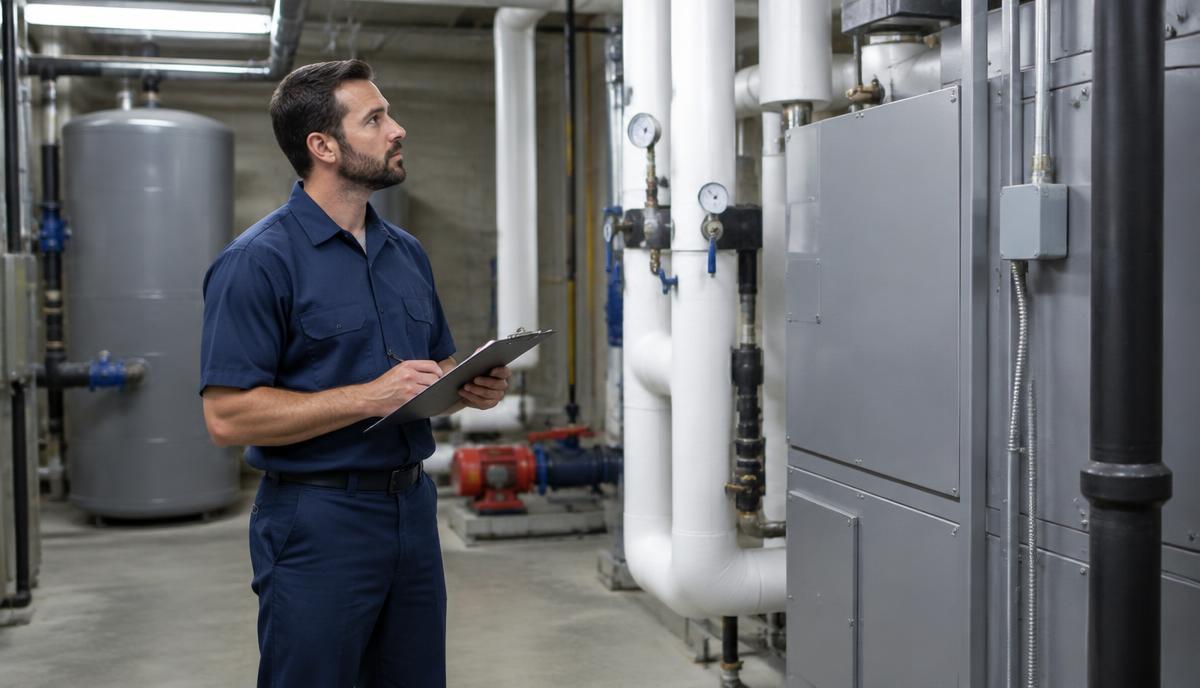
Commercial Property Maintenance
Scheduled preventive maintenance that keeps offices, retail centers and industrial buildings running without surprise breakdowns.
View scope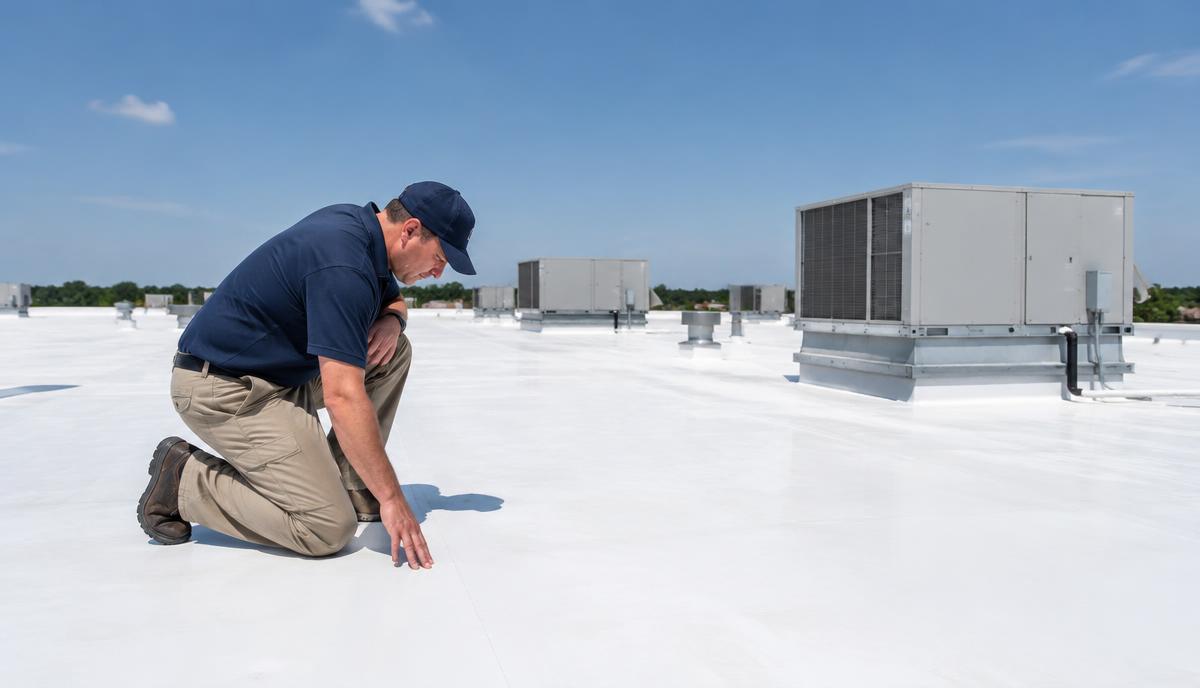
Commercial Roof Repair
Leak repair, flashing, drains and coating for flat and low-slope commercial roofs — TPO, built-up, modified bitumen and foam.
View scopeCommercial Hauling & Trash Services
Bulk debris hauling, tenant move-out cleanouts, pallet removal, overflowing dumpster cleanup and illegal dumping removal.
View scopeRequest a quote
Request a commercial warehouse maintenance services quote
Send the address, asset type and approximate square footage. We reply with scope and fee, usually the same business day.
619-473-2133
Mon–Fri 7:00am–6:00pm